Opera Meets Film: Strained Relations and Non-Endings in Sebastian Fagerlund’s ‘Autumn Sonata’

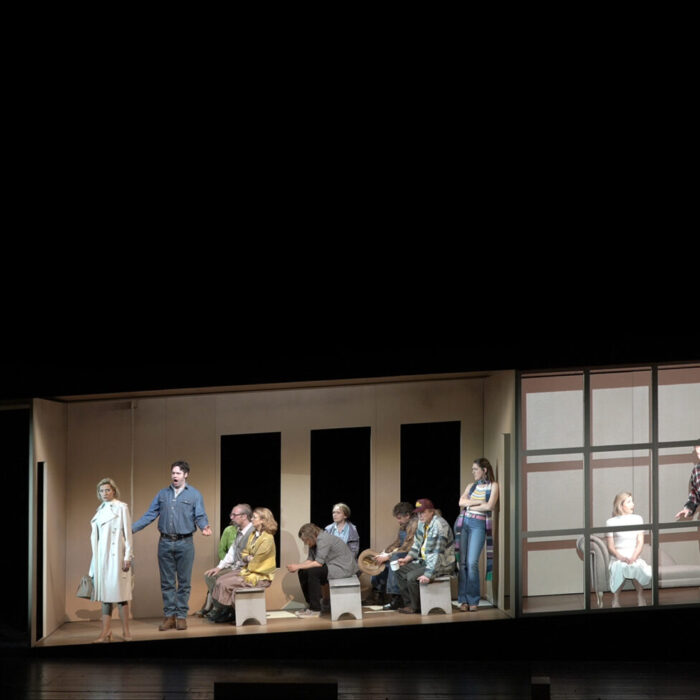
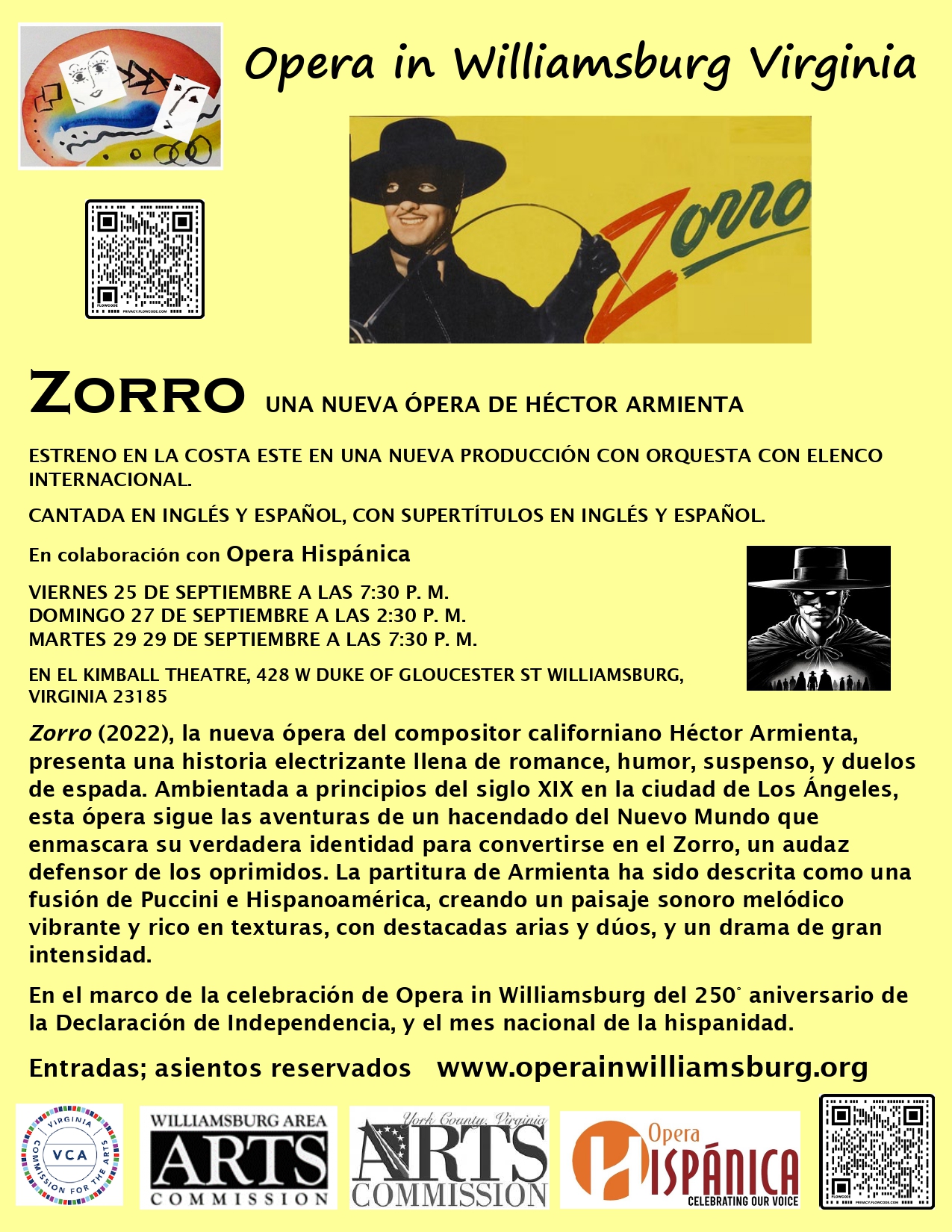
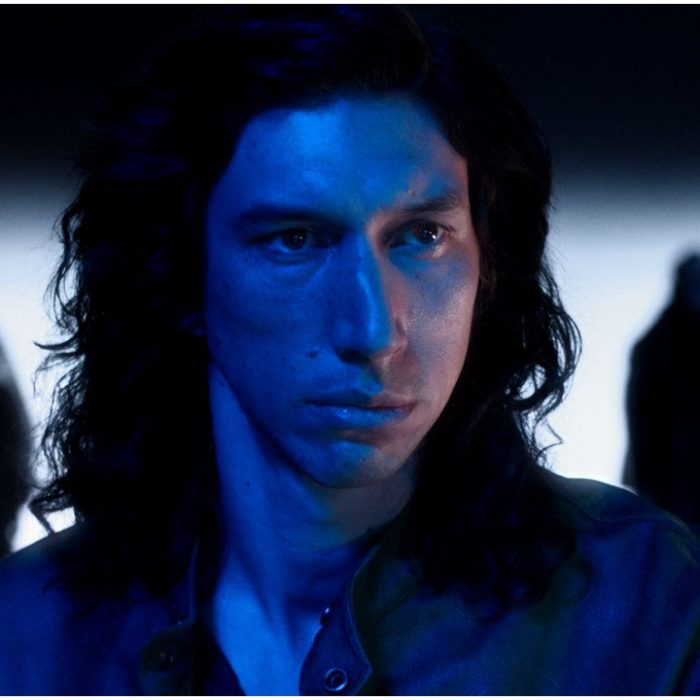
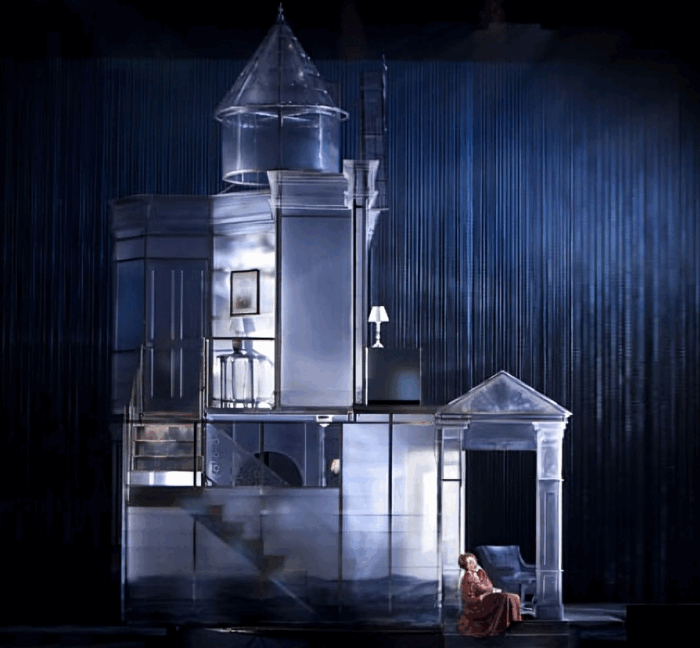
(Photo: Sakari Viika/Finnish Music Quarterly) Throughout operatic history, family difficulties are among the most widely utilized themes by composers, with the more recognizable feuds seemingly being children and their (step) mothers. From Pamina and her mother (“Die Zauberflöte”), Hansel, Gretel, and their stepmother (“Hansel and Gretel”), Lucette/Cinderella and her stepmother (“Cendrillon”), and Elektra and her stepmother (“Elektra”), there is something {…}

Opera Meets Film: The Dramaturgy of an Operatic Life in Alan Crosland’s ‘Greater Than Fame’

In the body of opera-oriented films, from contemporary works like ‘The Moon and the Stars‘ (2007), and ‘Florence Foster Jenkins‘ (2016), to earlier icons like ‘Fire at the Opera‘ (1930) and ‘Champagne Waltz‘ (1939), the ways opera and operatic life is conveyed on screen is highly diverse. However, go far enough backwards and one will find a way of conveying the operatic body {…}

Opera Meets Film: The Follies of Acting Singers in Paolo Gep Cucco & Davide Livermore’s ‘The Opera!’

What happens when a rather questionable story where good intentions end up futile in the face of capricious behavior is re-conceptualized? “The Opera!” by directors Paolo Gep Cucco and Davide Livermore. It is a strange sort of film where the two central characters are played by opera singers (Orpheus, Valentino Buzza and Eurydice, Mariam Battistelli) who seem woefully under-prepared to {…}

Opera Meets Film: Shostakovich Reimagined In Andrey Khrzhanovsky’s ‘The Nose’

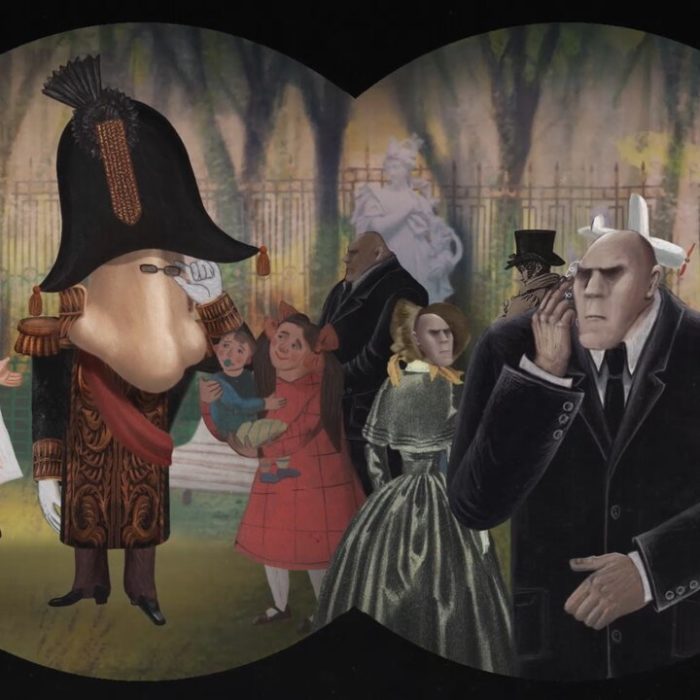
Censorship. Repression. Scorn. Brutality. Humor. Absurdity. Hysteria. Russia’s relationship with self-expression has been a fraught one throughout its tumultuous history. Full of danger and hardship, with no guarantee that your vision will be seen, respected, or even tolerated unless it is confined to authorized narratives, music has always been that one art form whose voice is hard to control and {…}

Opera Meets Film: For Love & Motherland – the Glorious Ideals of ‘Tosca’ and ‘Stalingrad’

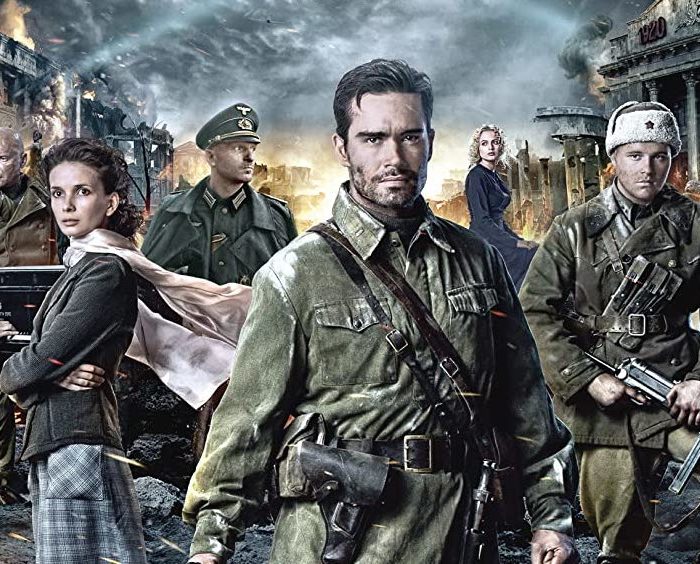
Following the signing of the Moscow Declarations in October 1943, an international agreement between the four key allied powers—China, Soviet Union, United States, and United Kingdom— formed to defeat the Tripartite Pact and restore global peace by proxy; Stalin would issue an emphatic, jingo-hawk address only a month later. Speaking at the 26th Anniversary of the October Revolution Celebration Meeting {…}

Opera Meets Film: How the ‘Così Fan Tutte’ Moment in ‘The Greatest Showman’ Is Emblematic of Film’s Structure

“Opera Meets Film” is a feature dedicated to exploring the way that opera has been employed in cinema. We will select a section or a film in its entirety, highlighting the impact that utilizing the operatic form or sections from an opera can alter our perception of a film that we are viewing. This week’s installment features “The Greatest Showman.” {…}