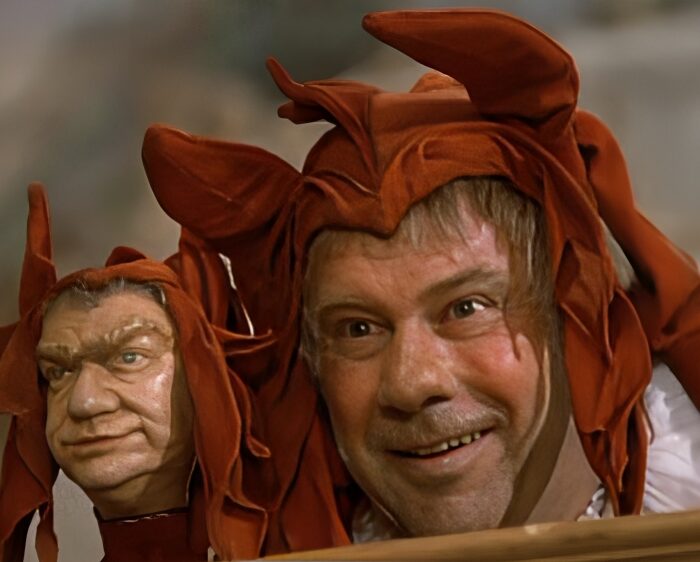
Opera Meets Film: Recalling Cinematic Legacies, Pt. 2: Rigoletto

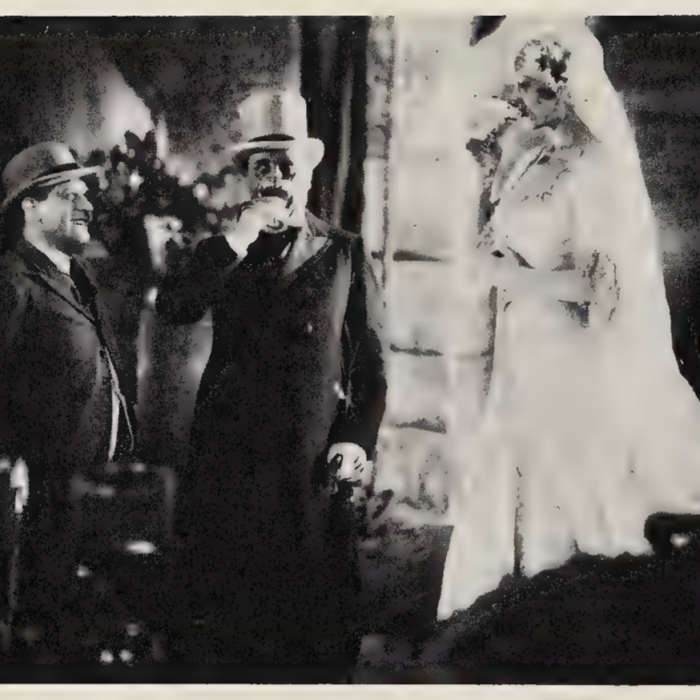
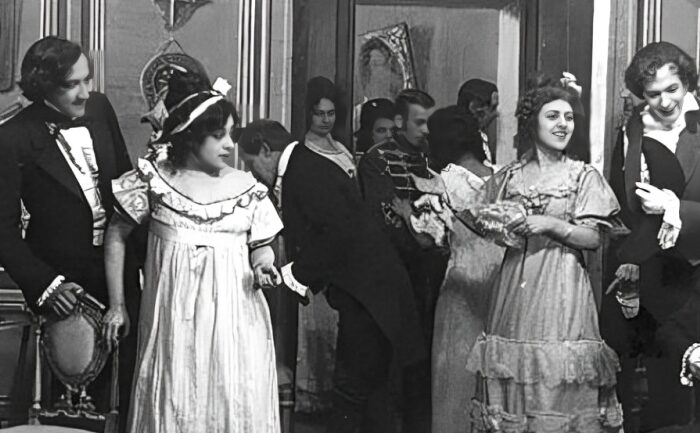
There are certain films which have received considerable cinematic attention by directors. While beloved operas like Bizet’s ‘Carmen’ are among the most popular choices—its first silver-screen presence being the silent film, ‘Gypsy Blood‘ (1920), others are equally as beloved. Leoncavallo’s ‘I Pagliacci’ had its first cinematic presence in 1915, Offenbach’s ‘The Tales of Hoffman’ had its in 1923, and Verdi’s {…}

Attempting Destruction but Creating History in G. W. Pabst’s ‘The Three Penny Opera’

With the publication of Ross Benjamin’ translation of Daniel Kehlmann’s fictionalized story of Austrian filmmaker, Georg Wilhelm Pabst (1886-1967), The Director (2023/2025), preceded by German filmmaker Werner Herzog’s translated memoire, Every Man for Himself and God Against All (2022/2023), it’s fascinating to see how the opera-film relationship can be incredibly heterogeneous. While for Herzog, “when the whole world is transformed {…}

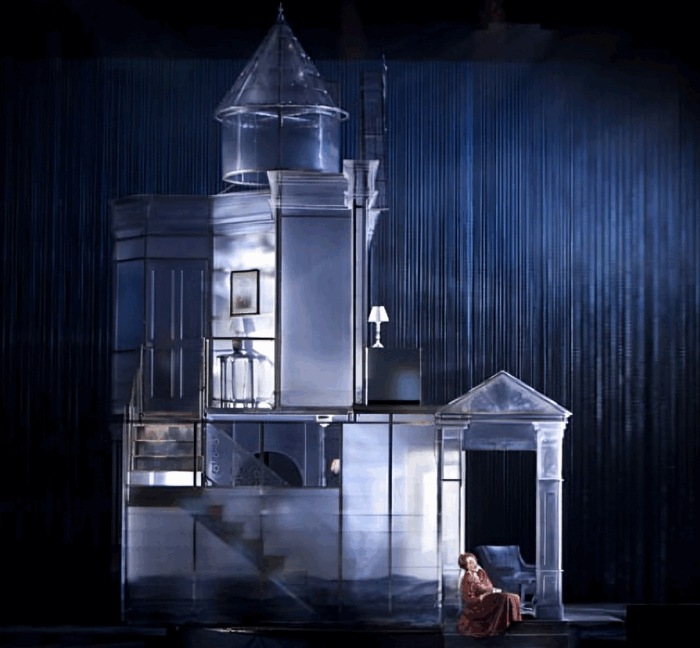
Opera Meets Film: Duplicitous Love Behind Enemy lines in Hans Gefors’ ‘Notorious’

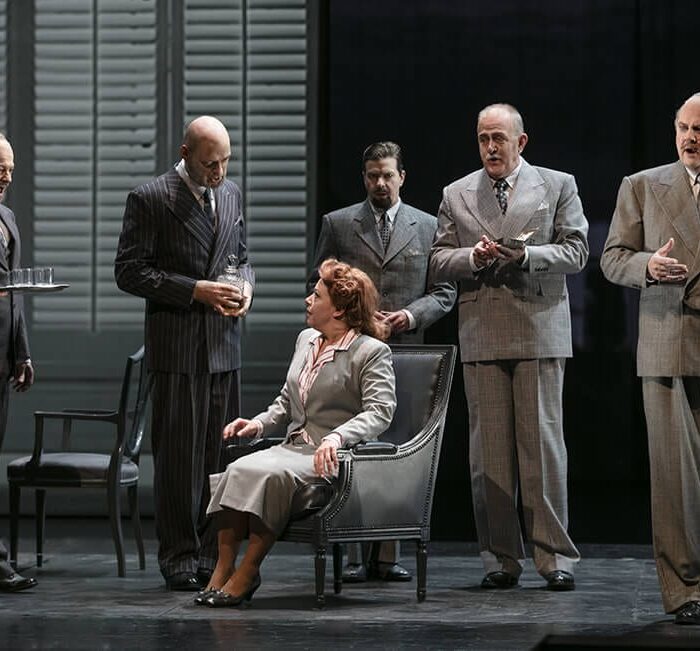
Joining the ranks of other screen-to-stage operatic adaptations, Swedish composer Hans Gefors and his eighth opera, “Notorious,” can be considered a contemporary grand opera. Spanning five acts — a number usually seen in French grand opera but also seen in Italian verismo including “Don Carlo,” “Robert le diable,” and “La muette de Portici” — the opera details the complex love affair between a {…}

Opera Meets Film: When Justice Becomes A Curse in Poul Ruder’s ‘Selma Ježková’

Photo Credit: Miklos Szabo/Lincoln Center (2011) Having composed the internationally celebrated work, ‘The Handmaid’s Tale‘ (1988), an opera which has gained a truly canonical spot in theatrical repertoire thanks to its global embrace, Danish composer Poul Ruders was and remains on the cutting-edge of opera today. With five operas to his name, among them ‘The Thirteenth Child‘ (2016) and ‘Kafka’s {…}

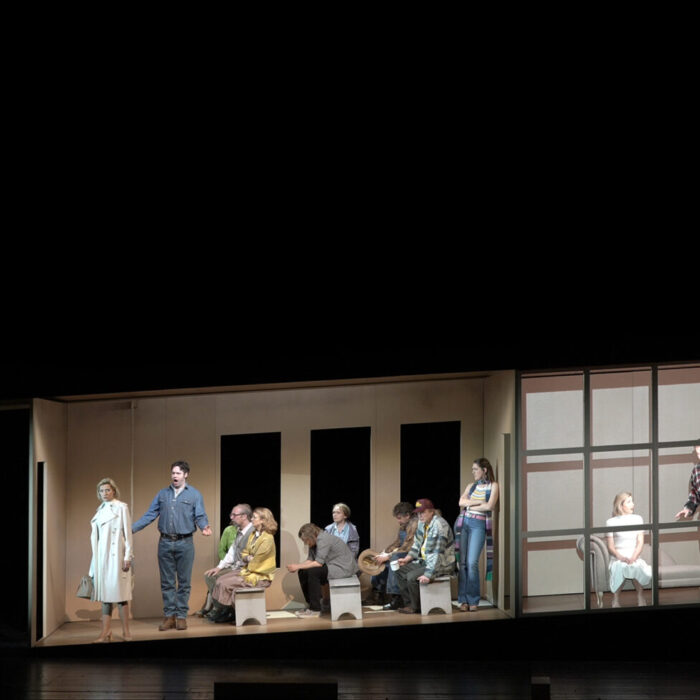
Opera Meets Film: Translating Moral Ambiguity in Gordon Kampe’s ‘Dogville’

(Photo Credit: Jo Schramm) Operatic depictions of cruelty, vengeance, wrath, mercilessness, wickedness, barbarism, savagery, and anger seem hallmark elements of the genre itself. From villains like Queen of the Night, Lady Macbeth, and Don Giovanni to ghastly characters like Elektra, Scarpia, Iago, Mefistofele, and Caesar, all the way to troubled souls like Wotan, Giorgio Germont, Turandot, Poulenc’s Chaplain, Anna Bolena, {…}

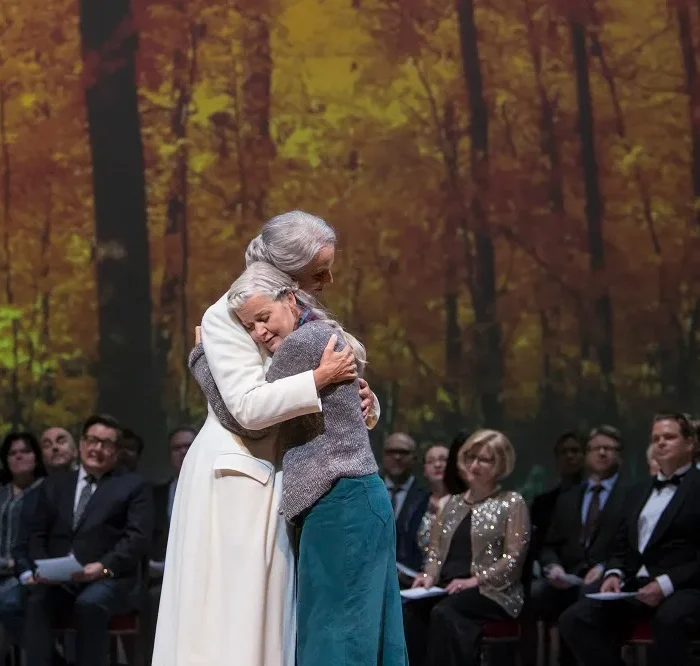
Opera Meets Film: Strained Relations and Non-Endings in Sebastian Fagerlund’s ‘Autumn Sonata’

(Photo: Sakari Viika/Finnish Music Quarterly) Throughout operatic history, family difficulties are among the most widely utilized themes by composers, with the more recognizable feuds seemingly being children and their (step) mothers. From Pamina and her mother (“Die Zauberflöte”), Hansel, Gretel, and their stepmother (“Hansel and Gretel”), Lucette/Cinderella and her stepmother (“Cendrillon”), and Elektra and her stepmother (“Elektra”), there is something {…}