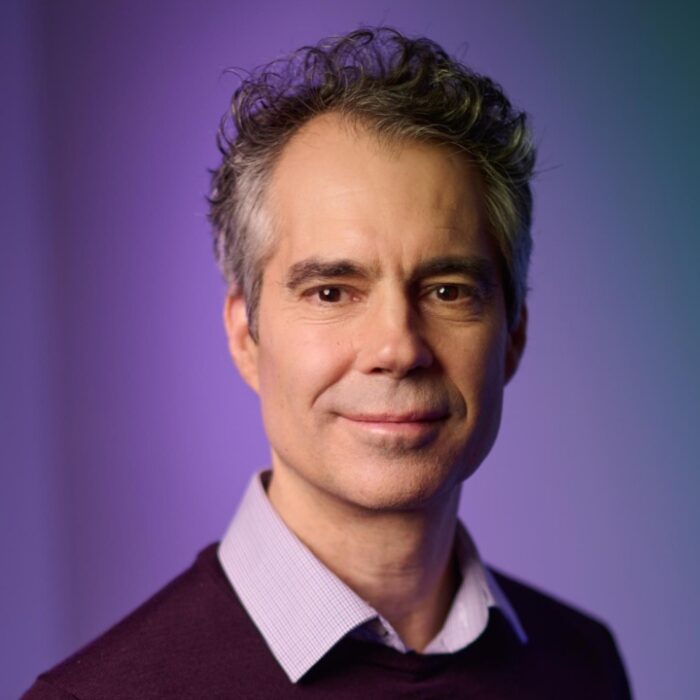
Q & A: Music Director Peter Whelan on His Vision for Philharmonia Baroque Orchestra & Chorale & the 2026-27 Season ‘The Power of Music’
By David SalazarThe Philharmonia Baroque Orchestra & Chorale recently announced its 2026-27 season, the first with Peter Whelan as its new Music Director.
For Whelan, what distinguishes Philharmonia Baroque from the outset is its energy. He describes the ensemble as a group of “musical time-travelers” who bring a visceral, theatrical charge to every performance, and speaks warmly of the Bay Area audience’s curiosity and the rare sense of connection between stage and hall. Building on the legacies of founding conductor Nicholas McGegan and his successor Richard Egarr, Whelan envisions the orchestra as a laboratory for discovery — one that uncovers neglected masterpieces while making familiar works feel newly alive. “We aren’t just preserving a museum piece,” he says. “We are proving that this music is a living, breathing force that can speak directly to the modern soul.”
Whelan, who is also the Artistic Director for Irish Baroque Orchestra and Curator for Early Music at the Norwegian Wind Ensemble, has worked with such organizations as Scottish Chamber Orchestra, Beethoven Orchester Bonn, Netherlands Chamber Orchestra, Royal Northern Sinfonia, Orchestra della Svizzera Italiana, Kristiansand Symphony Orchestra, Lahti Symphony Orchestra, Orchestra of the Age of Enlightenment, The English Concert, Dunedin Consort, Monteverdi Choir, and English Baroque Soloists, among others.
OperaWire spoke with the conductor about his new position, his vision for the ensemble, and some of his favorite programs for the 2026-27 season.
OperaWire: What excites you most about being the Music Director of this organization? What is your vision for the ensemble as its music director?
Peter Whelan: What excites me most is the fearless spirit of Philharmonia Baroque Orchestra & Chorale. This isn’t just an ensemble that plays old music; it’s a group of ‘musical time-travelers’ who bring a visceral, theatrical energy to every note. I’ve been struck by the warmth of the Bay Area community—there is a genuine sense of curiosity and connection between the stage and the audience that is rare to find.
My vision is to build on the incredible legacy of Nicholas McGegan and Richard Egarr by positioning Philharmonia Baroque at the vanguard of the ‘next generation’ of historical performance. I want us to be a laboratory for discovery, uncovering neglected masterpieces and revitalizing the ‘hits’ with the sense of hearing them for the first time. We aren’t just preserving a museum piece; we are proving that this music is a living, breathing force that can speak directly to the modern soul.
OW: How does this season fit into this vision?
PW: My first curated season, “The Power of Music,” is designed to be an invitation. By opening with Händel’s “Tolomeo, re d’Egitto,” we are leaning into the high drama and vocal virtuosity that is our DNA. Programs like “Vivaldi and the Oud” with Joseph Tawadros demonstrate my commitment to cross-cultural dialogue, showing how Baroque music wasn’t a monolith, but a conversation. It’s about breaking down the “fourth wall” of the concert hall.
OW: How do you anticipate future seasons will develop on it?
PW: In future seasons, you can expect us to push further into the theatrical and the immersive. I want to explore more semi-staged productions and interdisciplinary collaborations that challenge the traditional concert format. Central to this is the expansion of our SESSIONS programs, our informal and experimental series. These sessions allow us to strip away the formalities of the concert hall and create a community hub where historical accuracy meets contemporary relevance. We’re going to take more risks, explore the “kinks and quirks” of the repertoire, and truly expand the definition of what a period-instrument ensemble can be in the 21st century
OW: What are some of the performances from this season that excite you most?
PW: It’s hard to choose, but three highlights really stand out for me are Händel’s “Alexander’s Feast.” I have a deep personal connection to this work, having conducted it at the BBC Proms in London last year. I’m now proud to present the USA premiere of the Dublin 1742 version of this work. Handel prepared this version specifically for the conditions he met during his legendary trip to Ireland. It contains three parts instead of the standard two and is the perfect vehicle for both the orchestra and the chorale to celebrate “The Power of Music.”
Another is “Vivaldi and the Oud.” Collaborating with Joseph Tawadros is going to be electric. Combining the Mediterranean heat of Vivaldi’s L’Olimpiade with the ancient, resonant soul of the oud highlights the global connections inherent in 18th-century music. It’s about showing that the “Baroque” wasn’t a closed circuit, but a global conversation.
The third is “Haydn’s Creation.” Closing my inaugural season with this masterpiece feels incredibly poignant. Performing this work with the Philharmonia Chorale and soloists Lucy Crowe, Nicholas Phan, and Enrico Lagasca allows us to lean into Haydn’s genius. Starting with that famous musical ‘Big Bang’, the explosive moment where ‘Light’ is created, it serves as a perfect metaphor for the vibrant energy and expansive future I see for this orchestra.

Stories you may also like…
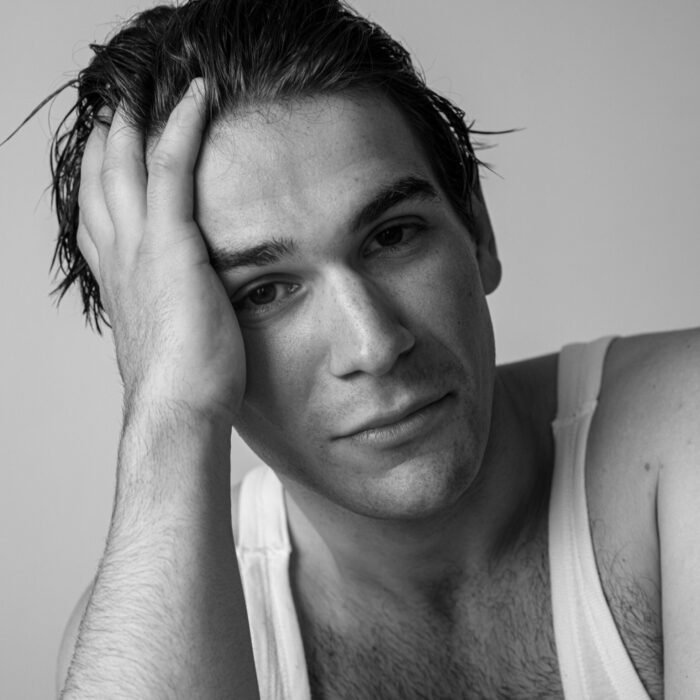
Q & A: Alexander Marev on Performing at the Opéra de Liège, the Challenges of Being a Young Artists & Dream Roles
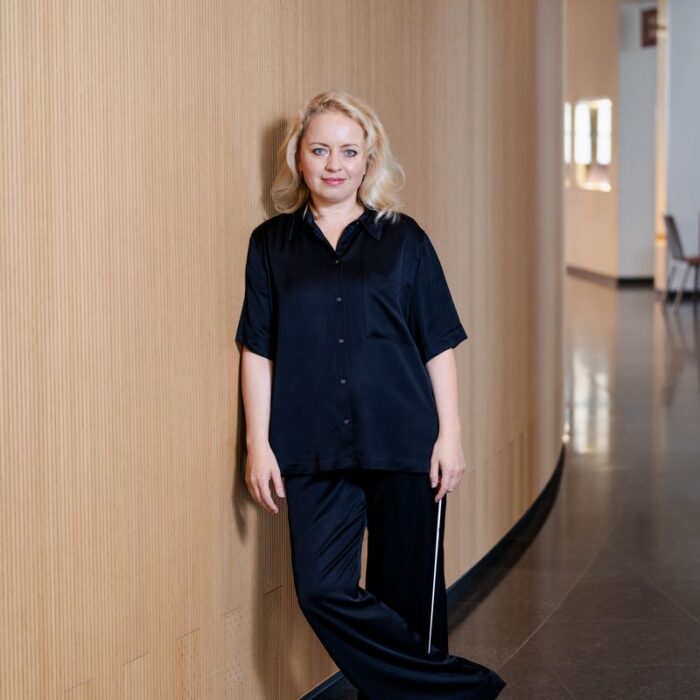
Q & A: Anna Skryleva on Making Her Debut at Opera Australia & ‘Eugene Onegin’