Q & A: Kresley Figueroa on Being a Young Artists & The Denyce Graves Foundation
By Francisco SalazarThe Denyce Graves Foundation began as a way to bridge the past to future by honoring overlooked musical voices and empowering the next generation of world-class artists.
Founded by opera star Denyce Graves, the foundation celebrates trailblazing musicians, music educators, and composers of color through community engagement programs, concerts and presentations, creation of new works of art, establishment of young artist development training and more, as well as via social and traditional media.
In a series of interviews, OperaWire spoke to current and alumni singers who have gone through the program.
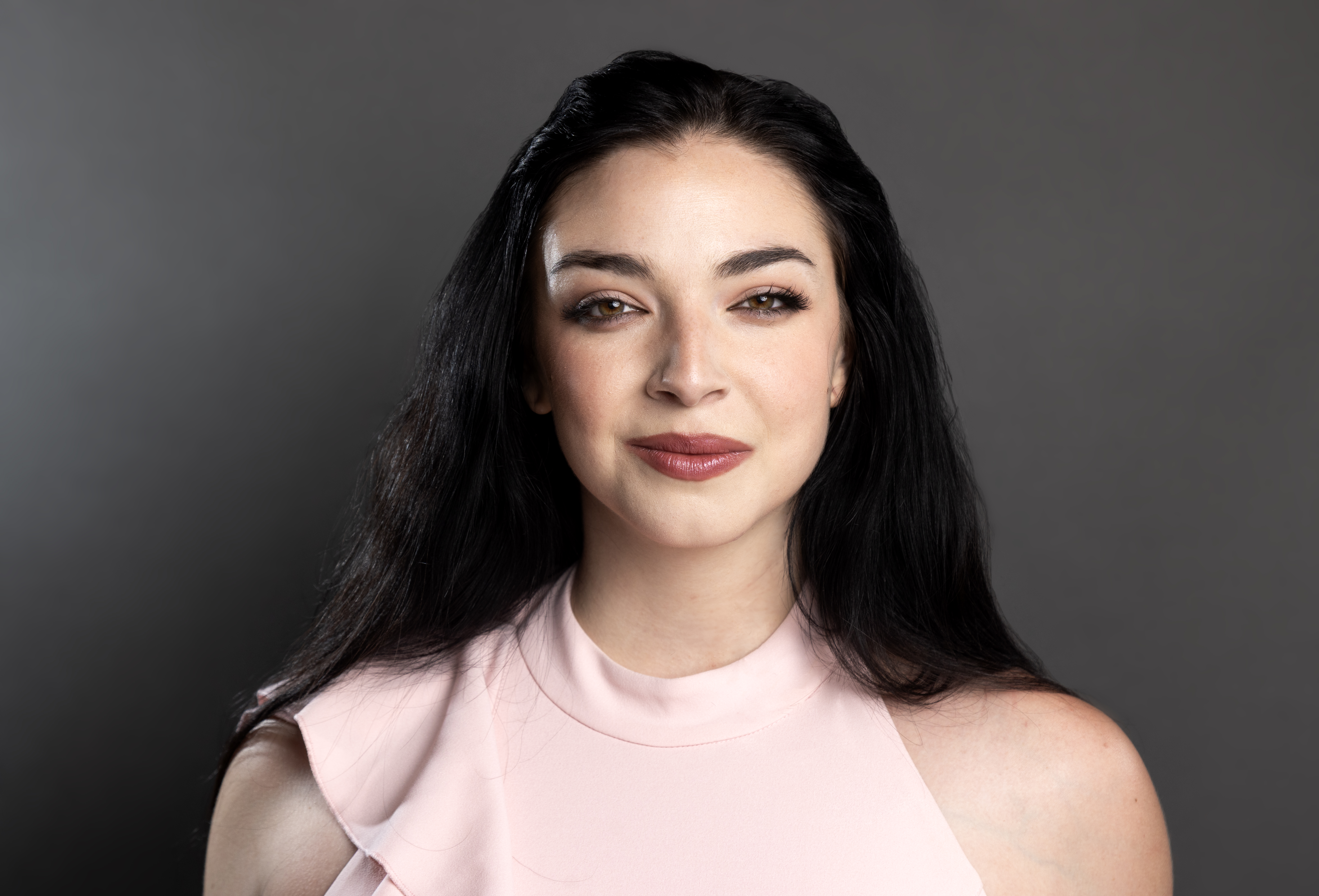
Puerto Rican soprano Kresley Figueroa recently concluded her tenure at the Cafritz Young Artist Program with Washington National Opera and has since performed with Teatro Nuovo, Metropolitan Opera, and the Aspen Music Festival, among others.
OperaWire: How did you hear about the program and why did you think it was a good fit for you?
Kresley Figueroa: I count my lucky stars that Aundi Moore reached out and encouraged me to apply! She is heavily involved in the Mid-Atlantic Region of the Metropolitan Opera Laffont Competition, which I had won the year before.
She told me that she felt I would be a great fit for the program, and once I read more about Generational Voices, particularly the audition requirements, I had to agree. They were clearly looking for artists with a strong sense of who they are and the music they want to make. They also wanted versatile artists. The application required a musical theater selection, which a lot of opera folks would balk at, but which is very much in line with my career and interests as a multi-genre performer. I’m not a fearful artist, and I’m a very direct person, two traits that aren’t always celebrated in women. This finally felt like an environment where I could thrive, and it has not disappointed.
OW: What have you learned from working with Denyce Graves?
KF: Even though I’ve only known Ms. Graves personally for a short time, her lessons have been abundant, and abundantly clear. More than anything, she has shown me that a career and an organization like hers are possible. Representation truly does matter, and seeing a woman of color forge the path she has will endlessly fuel me to pave my own, and look gorgeous doing it.
She told us that of course she was looking for talented artists who could deliver the goods and had something to say, but also for good people, and she and her team are exactly that. They care deeply and lead with humanity and empathy without ever compromising on excellence. It’s the kind of organization you dream of being part of.
She has fiercely encouraged all of us never to hide or downplay what makes us who we are. She exemplifies that hard work and authenticity are essential, but so is taking care of yourself and not losing sleep over people or opportunities that aren’t there for you with open arms. Her legacy is so important and her investment in us so great that we all want to make her proud, but she never makes us feel we aren’t allowed to be imperfect. She understands what it means to be a singer: to be very human while doing something superhuman.
OW: As a young artist, what is the most daunting thing, and why is a foundation like this important?
KF: Honestly, I don’t find anything daunting about being part of this initiative. More than anything, it feels like an extraordinary opportunity to be myself and spread my wings with unabashed support. That’s exactly why a foundation like this matters. Nothing is more important than giving an artist the practical and emotional support to come into themselves and create work that is excellent and uniquely theirs. A lot of places say they want your artistry and your perspective; this foundation means it, and they’ve proven it every step of the way. We’re responsible for our own failures and successes, and they’re with us through all of it, celebrating what worked and workshopping what needs to evolve.
OW: Tell me about the Generational Voices program and everything it encompasses.
KF: The program is a living, breathing organism, and we’re all still discovering what it is and how to thrive within it. But here’s how I’d summarize it: Generational Voices is for singers with a strong artistic value system, identity, and work ethic, who deliver exceptional results and have something inside them they need to share honestly with the world.
The program supports each of our individual journeys. We’re free to learn from whomever we choose, and the team is constantly seeking outside opportunities that might be right for us, speaking our names into rooms where they otherwise might not have been mentioned. They give us performance opportunities, and they also help fund our lessons, coachings, and audition expenses. Once you’re out of school or a Young Artist Program, that’s incredibly valuable. It means the financial pressures of today’s economy don’t stand between us and the consistent training we need to stay in top form, especially in an industry that likes to drag its feet when it comes to giving new talent big opportunities.
OW: What does it mean to be supported through a program like this, and why is it important for foundations like the Denyce Graves Foundation to exist?
KF: Preparation met opportunity here for me, which is what most people call luck. This collaboration was not on my bingo card, but now it truly feels like it was always part of my plan. If you had asked me what I needed as a new freelancing singer, I would have described Generational Voices exactly: support to keep studying, and a kind but firm hand to guide me through the new challenges in this next phase of my career. Being in Generational Voices is a call to work fiercely on yourself, not only because you want to succeed, but because you can see how much the people around you want you to succeed, too. And let’s be real for a moment: access in this field has long favored those of a certain background. Having a mentor who knows what it is to fight to be seen, beyond the usual competitiveness of opera, makes a real difference. She has walked that road, and now she’s widening it for the rest of us.
OW: What is an important memory you will never forget from being part of this program?
KF: I only slept about three hours, so I’m counting this as one singular event: on the last night of our Chautauqua Residency, the launch of Generational Voices, we performed our arias with the orchestra in the Chautauqua Amphitheater, and each of us received a standing ovation. The response was unbelievable. Afterward, we all went to Ms. Graves’s house and celebrated well past midnight, but even that wasn’t enough. When we got back, I was locked out of my room thanks to a demagnetized key, and the other fellows refused to leave me while we waited for someone to bring a replacement. We sat in the common area and laughed from 1 a.m. until 4 a.m.
Early the next morning, we were supposed to have one-on-one exit interviews to review our two weeks of performances and mentorship. But, true to Ms. Graves’s spirit of community, those were quickly scrapped. I woke up to the other fellows knocking on my door and texting me that the interviews were canceled and we were all going to brunch with the team instead. In ten minutes. Only an act of God or brunch with these people could get me out of bed and out the door in that timeframe. It was the best way to close out our launch and commune as the new family we had become over those two weeks.
That’s this program in a nutshell. The support here is tangible. We’re tested and challenged, but it comes from such a place of love that you can’t help but feel the fire to achieve more and be more. I count myself so lucky to witness Ms. Graves’s leadership and artistry, but most of all her soul. I’ll look back on this time with so much love, and I know I’ll come out of it not just as a more insufferably authentic singer, but as a different and more insufferably authentic person than I was before.