Q & A: Lauren Randolph on Working with Denyce Graves & Denyce Graves Foundation
By Francisco SalazarThe Denyce Graves Foundation began as a way to bridge the past to future by honoring overlooked musical voices and empowering the next generation of world-class artists.
Founded by opera star Denyce Graves, the foundation celebrates trailblazing musicians, music educators, and composers of color through community engagement programs, concerts and presentations, creation of new works of art, establishment of young artist development training and more, as well as via social and traditional media.
In a series of interviews OperaWire spoke to current and alumni singers who have gone through the program.
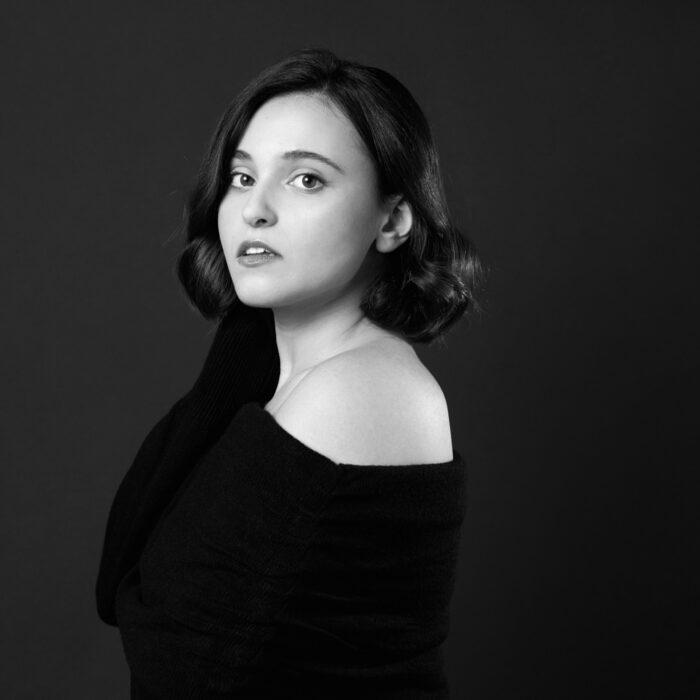
Chicago-born Lauren Randolph recently graduated from The Juilliard School where she was a recipient of the prestigious Kovner Fellowship. In 2025, she was recognized as a National Finalist in The Metropolitan Opera Eric and Dominique Laffont Competition and has since performed with the Santa Fe Opera, Juilliard Opera, Carnegie Hall, and Chicago Symphony Chorus and Civic Orchestra.
OperaWire: How did you hear about the program and why did you think it was a good fit for you?
Lauren Randolph: I first heard of The Denyce Graves Foundation through my friends at Juilliard who were in the Shared Voices program. My advisor, Brian Zeger, mentioned it might be something I would be interested in and encouraged me to apply. I was interested in Shared Voices because it is a young artist development program that places emphasis on community, culture, and developing the artist as a whole person in addition to cultivating artistic excellence.
OW: What have you learned from working with Denyce Graves?
LR: Ms. Graves is an incredible woman whom I look up to very much. I remember my first coaching with her; I wanted to work on French operatic repertoire. As soon as my pianist began to play the introduction to an aria from “Samson et Dalila,” I could see that she felt the energy of the full orchestra under her skin, like the opera lived within her. She coached me through the piece with an incredible intensity, guiding me to look deeper within the score and within myself to bring the music to life. She is someone who truly embodies her work with intelligence, grace, and humility, and encourages us, the Shared Voices students, to do the same.
OW: In regards to the foundation, as a young artist, what is the most daunting thing and why do you think a foundation like this is important?
LR: As a young artist, I find that the most daunting task is remaining connected to purpose. It is incredibly easy to be swept up by the stress of auditions, social media, constantly moving, the workload of learning new repertoire and answering emails, etc. The Foundation helped me with this in two ways:
Firstly, we were given resources and weekly classes on topics like social media management, building a business, crafting the best audition experience, and other skills that are necessary for a young singer to have a successful career today.
Secondly, the DGF cultivated an immense sense of community. In the Foundation, I was consistently reminded of the true purpose of our art form: connection. When you are encouraged to connect with others and tell stories through music, you find real purpose in your artistry.
OW: Tell me about your time with the program and everything it encompasses. What kind of follow up have they done and what contacts have you gained from being part of the program?
LR: During my time in the Shared Voices program, I took weekly courses on all sorts of topics necessary for young singers. Some weeks we would have renowned musicians come speak with us on their areas of expertise, some weeks we would have media training sessions on how to give interviews, other weeks were lessons on managing finances and how to file your taxes. I had private coachings on both singing and public speaking, as well as sessions on how to write program notes. On one of my favorite Shared Voices trips to Morehouse College in Atlanta, I attended seminars on African American art song and opera and received numerous resources for studying and performing this repertoire. I also did several performances, including masterclasses with representatives from major opera companies. Now that I have graduated, I have made personal connections with vocal coaches, social media experts, mental health professionals, and just about anyone who I can contact for any kind of help or guidance.
OW: What does it mean to be supported through a program like this and why do you think it is important for foundations like the Denyce Graves Foundation to exist?
LR: As they say, it takes a village. The support from organizations like the DGF is immensely important because this is an ever evolving and quite complicated career path, and you need every helping hand to keep guiding you forward.
OW: What is an important memory from being part of this program that you will never forget?
LR: I can never forget when I had the honor of singing for Simon Estes. I was asked to perform at the premiere screening of his documentary, Simon Estes: A Heart & A Voice, presented by the Denyce Graves Foundation at Juilliard. Upon seeing him, I’ll be honest, I was quite star struck. I had listened to his recordings many times, including one of my absolute favorite recordings of “Carmen.” Thankfully, I sang Copeland’s “At the River” before the screening because I couldn’t help but cry during the documentary. The words of encouragement he said to me, after watching his amazing story, still sit deep in my soul. Most of all, he emphasized to always sing from the heart.