The Grange Festival 2026 Review: La Clemenza di Tito
Christophe Rousset Leads Les Talens Lyriques & Notable Cast in Festival’s Highlight Performance
By Jennifer E. Pyron(Photo: Connor Apps)
The Grange Festival is an arts charity presenting concerts each summer in the historic Grade I-listed neo-classical mansion, The Grange, located in Hampshire. Dating back to the 1660s when a brick mansion was built on site, The Grange since then has belonged to a list of successors including royalty and bankers who have contributed to the architectural development of the mansion. It is now owned by the family of John Baring, Lord Ashburton and houses an approximately 570 seat theater that opens its doors to concert goers during the summer for well-curated opera, dance and musical concerts.
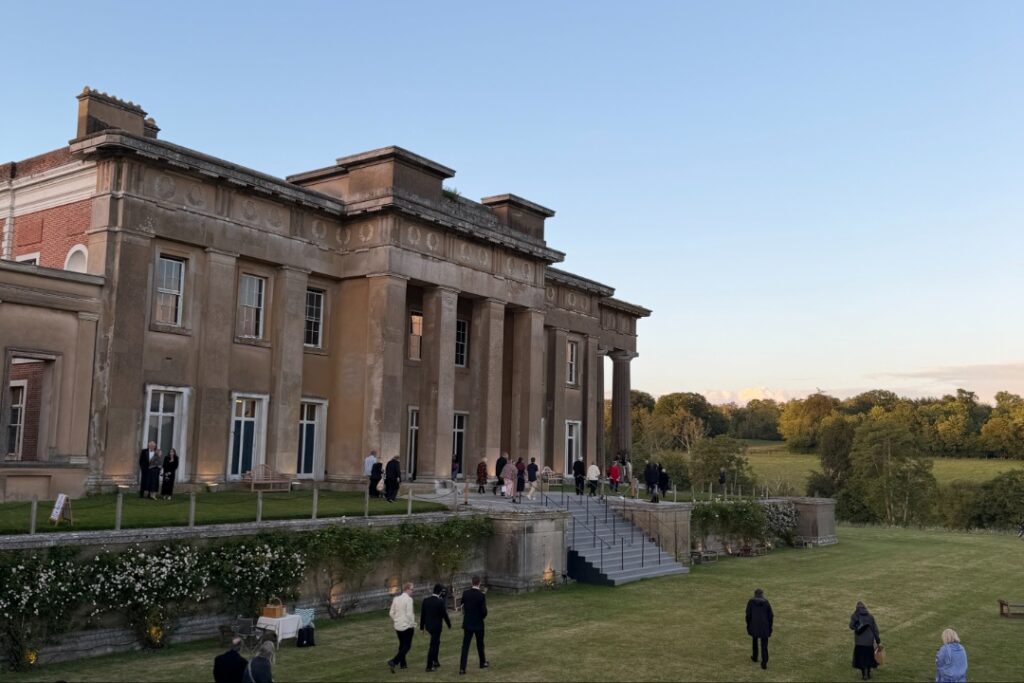
Performances are scheduled with an approximately hour and a half intermission where audience members and performers can take a break together in the countryside and picnic in the garden area. The rustic grounds are subject to the weather, however there are tents constructed to prevent one from the extremes. Luckily, OperaWire attended on a most gorgeous day with weather in favor of one enjoying the simple pleasures of the outdoors–complete with observing the evening’s local herd of cattle and one white swan’s particular “Lohengrin” stature, bathing in the Candover stream which feeds the local grounds.
The festival’s relaxed and open atmosphere felt inviting and the audience members who attended on this particular night consisted of both locals and internationals who wanted to experience a breath of fresh air while listening to beautiful music in the English countryside.
Musical Highlights
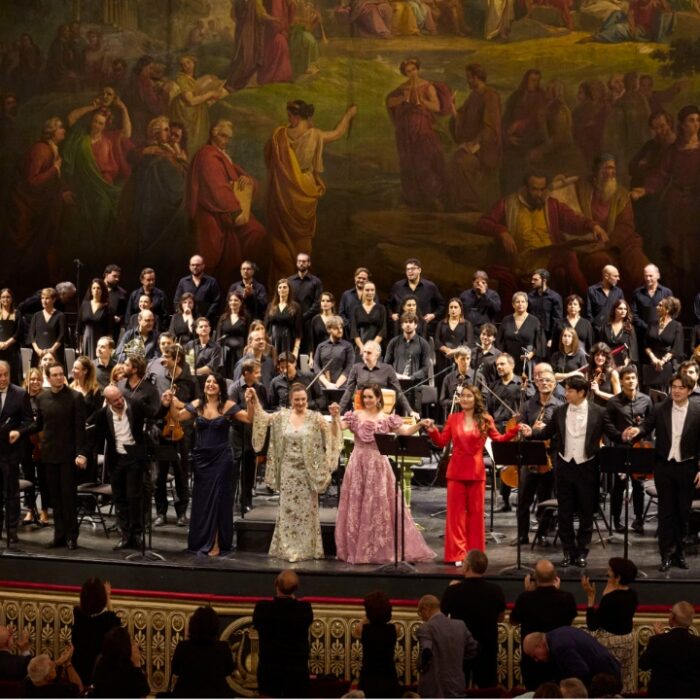
Conductor Christophe Rousset and Les Talens Lyriques presented Mozart’s “La Clemenza di Tito” alongside a notable cast including Jeremy Ovenden as Tito, Aphrodite Patoulidou as Vitellia, Anna El-Khashem as Servilia, Maite Beaumont as Sesto, Ambroisine Bré as Annio, and Adrien Fournaison as Publio on June 9 and 10 to a packed house.
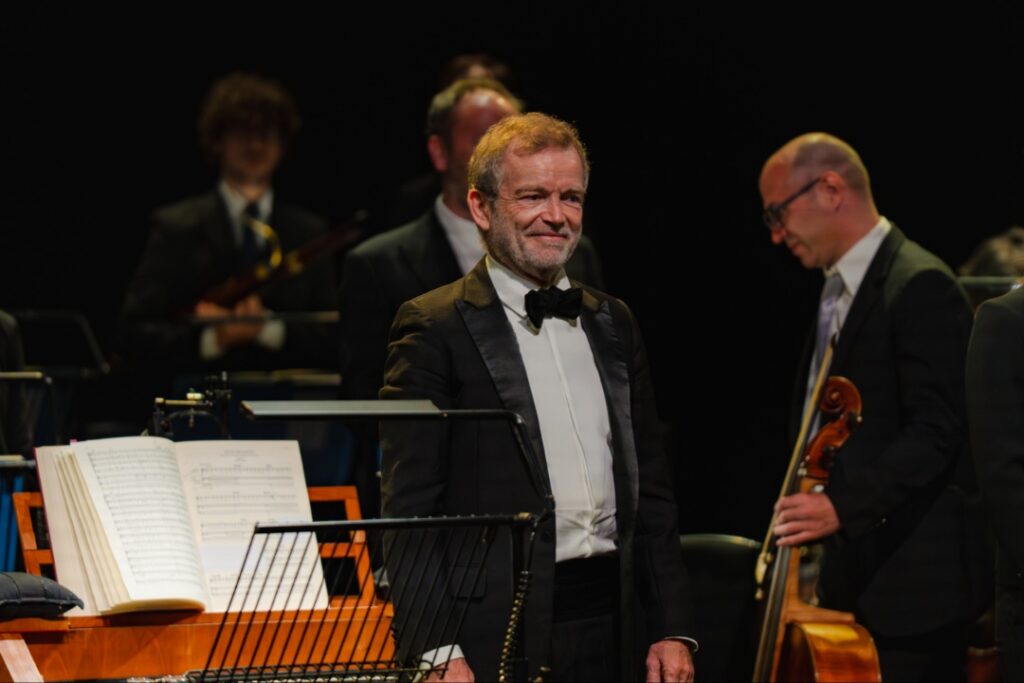
Rousset’s gift for curating vocal performances is historical. OperaWire recently reviewed his “Handelian Heroes” tour with Les Talens Lyriques featuring countertenor Key’mon Murrah at The Frick Collection and so the evening’s expectations for high quality vocal performances by this night’s “La Clemenza di Tito” cast felt natural and celebratory.
(Photo: Connor Apps)
Conductor and harpsichordist Rousset’s deep understanding of 18th century works comes from his many years of experience in performing and willing to express the complex emotions underlying these works. His passion for period pieces in particular is like a science in which he is very specific about the instruments and voices that will best convey the composition’s colors and emotional resonance.
“La Clemenza di Tito” (1791)
Mozart’s two-act opera seria, “La Clemenza di Tito” (1791), was composed during the last year of his life. The Italian libretto by Pietro Metastasio was modified by Caterino Mazzolà and the work was completed as Mozart was in the middle of composing “Die Zauberflöte,” his final opera. It dives headfirst into the complex ideologies surrounding clemency (mercy), loyalty and love.
Act one begins with the emperor Tito in Rome, during the first century AD, who falls in love with a Jewish princess. Vitellia, the former emperor Vitellius’s daughter, wants the throne herself and so convinces Sesto who is in love with her to plot the assassination of Tito. Though Sesto is close to the emperor, he will do anything for Vitellia.
Tito announces that due to reasons of state he will not marry the Jewish princess and Vitellia’s hope is restored that Tito will marry her instead. She asks Sesto to put off the assassination plot. Sesto’s friend Annio reminds him that he wants to marry Sesto’s sister, Servilia, and the two become friends.
At a Roman celebration, Tito tells Sesto and Annio that he has to marry a Roman and intends to marry Servilia. However, Servilia tells Tito that she has already agreed to marry Annio and Tito says he will not marry her against her desires. Vitellia, not yet aware of Tito’s decision, goes into a tirade against Servilia and asks Sesto to continue with the plot of Tito’s assassination. He then dispatches to the Capitol, sets it on fire and supposedly murders Tito. The Romans mourn their dead emperor.
Sesto returns to Vitellia to confess his crime but is silenced by her.
In Act two at the palace, Annio tells Sesto that Tito is still alive. Sesto confesses his assassination attempt to Annio and Annio advises him to tell Tito his plan and ask for clemency. Vitellia rushes to Sesto and tells him to flee, but is too late and Publio arrives to arrest him. Sesto asks Vitellia to remember his love for her.
The plot thickens before Tito makes the ultimate decision to grant clemency.
This libretto is a powerhouse synopsis for an opera seria and Mozart’s composition, especially for the singers, does not disappoint.
Illuminating Cast
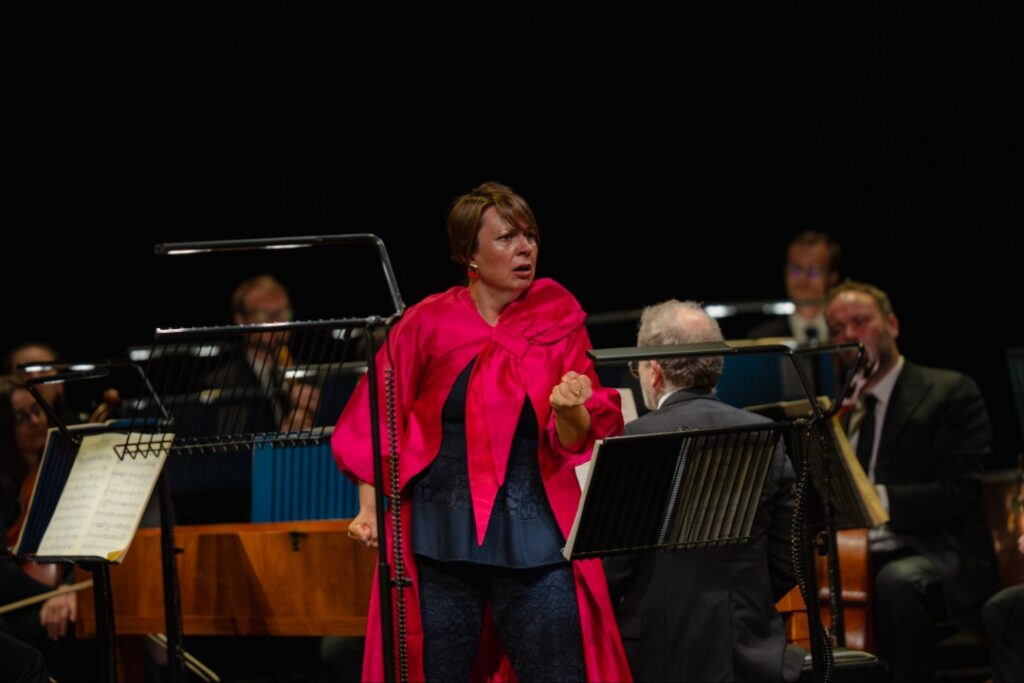
Les Talens Lyriques’ Overture sounded exciting and alive in The Grange performance hall. They laid the perfect bed of sound for this opera seria’s thrilling turn of events. Soprano Aphrodite Patoulidou as Vitellia and mezzo-soprano Maite Beaumont as Sesto entered onto the stage, singing with clarity and precision in their opening duet, “Ma che sempre l’istesso.” One could already sense from this opening that the night was going to be outstanding.
(Photo: Connor Apps)
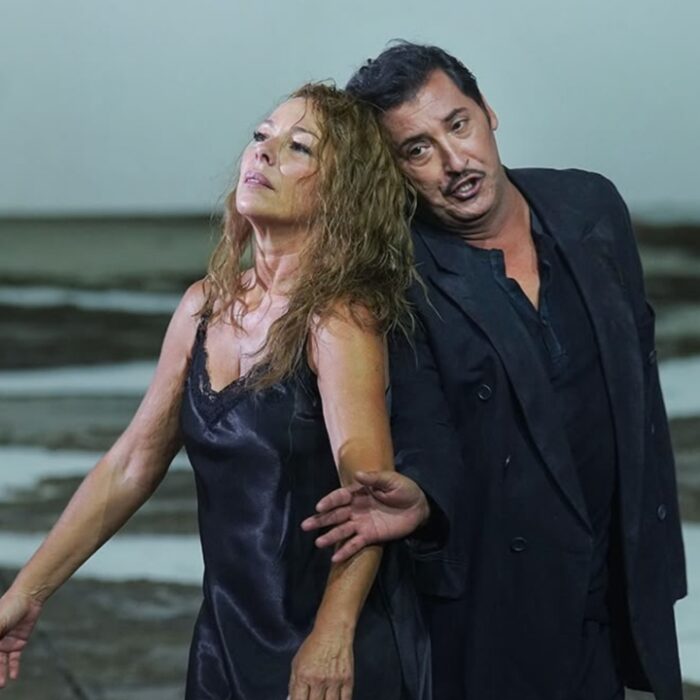
Beaumont’s voice during “Come ti piace imponi” was grounded in vocal support and excellent technique. She possessed a warm timbre that paired very well with Les Talens Lyriques’ resonance. Throughout the night, Beaumont became the backbone voice of this performance, rich with an array of unlimited colors.
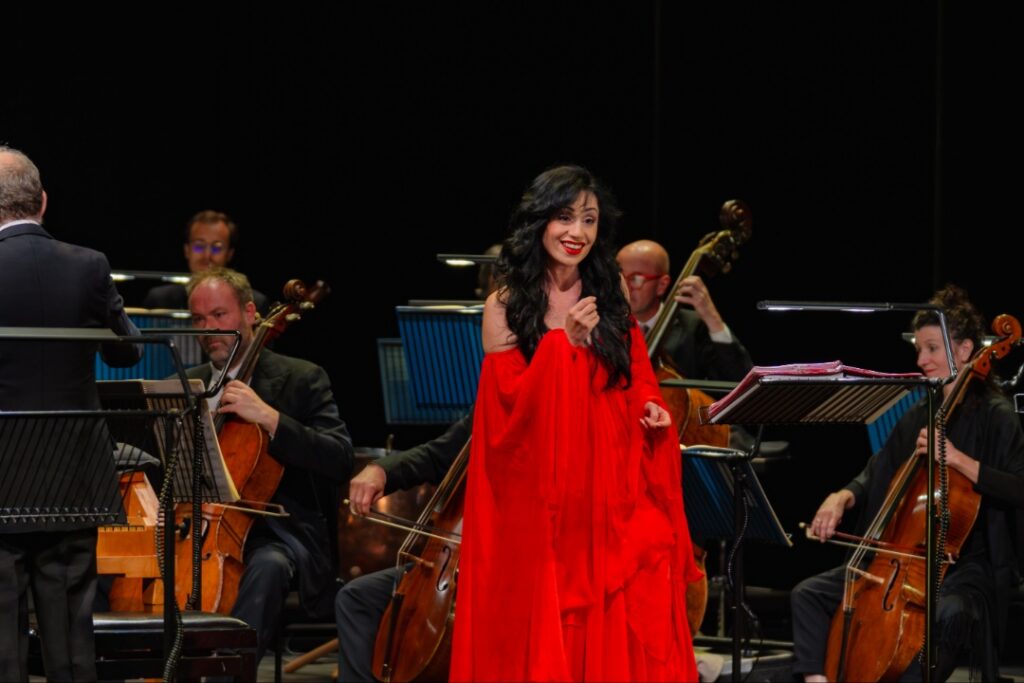
Patoulidou’s voice paired well with Beaumont, especially as they sang “Fan mille affetti insieme,” and the two really took the show from this point and made it into a true love affair. Patoulidou’s aria, “Deh! se piacer mi vuoi” developed into a full blossomed tonal palette as her voice eased into it. I especially enjoyed her lower notes at the ends of phrases such as “Chi ciecamente crede, Impegne a serbar fede.” Her coloratura was her vocal high point as her vocal agility improved her intonation and opened up her sound more freely. The audience applauded her generously after this aria.
(Photo: Connor Apps)
“Deh! prendi un dolce” was a glorious moment as Beaumont and Patoulidou’s voices soared into the hall. I watched as some audience members swayed back and forth in their seats to the music, enjoying the atmosphere and performance.
The horns at the opening of the march were a high point as Tito entered the stage. Les Talens Lyriques played with energy and attentiveness that lightened the opera seria overall. Rousset conducted with joy and lively momentum.
Tenor Jeremy Ovenden as Tito sang his first aria, “Del piu sublime soglio” with a rich timbre that filled the hall. I especially enjoyed his final phrase “Al merto, e alla virtu?” as his voice seemed to melt into Les Talens Lyriques resonance. There were many more moment like this between Ovenden and the orchestra where his voice blended with their’s seamlessly and beautifully.
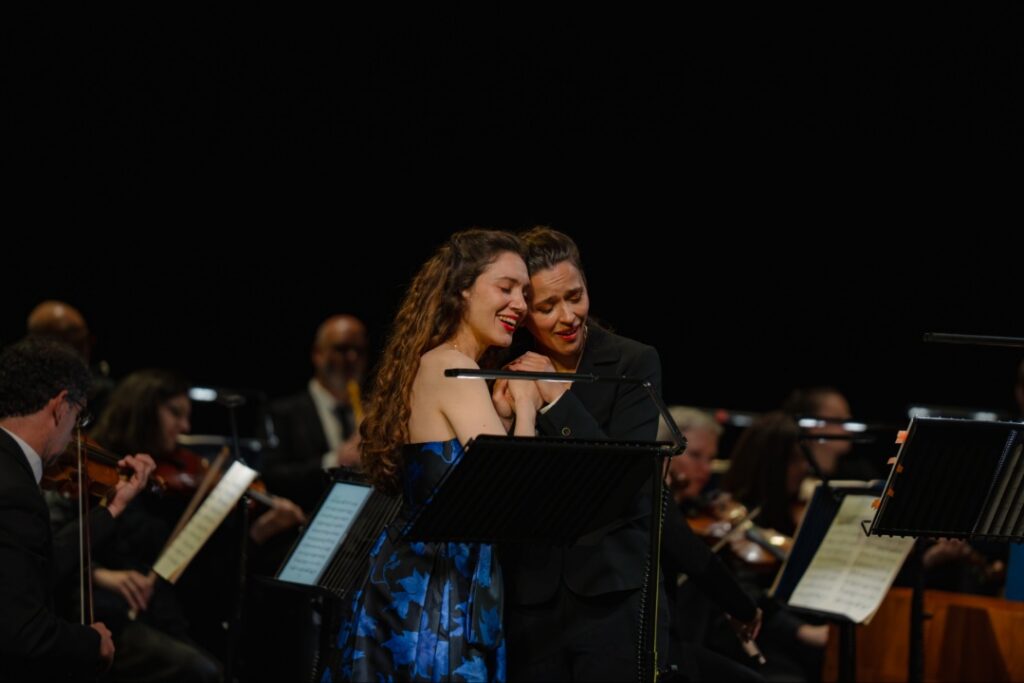
(Photo: Connor Apps)
Mezzo-soprano Ambroisine Bré as Annio sang with excellent diction in her duets with Servilia, “Non ci pentiam” and “Ah! perdona al primo.” Her voice possessed a warm middle range and her top notes spun into the hall. OperaWire reviewed her performance with Rousset last year at Paris’ Salle Cortot in which she performed an afternoon repertoire full of works reflecting on lament. Bré’s work with Rousset is definitely worth experiencing live.
Bass Adrien Fournaison as Publio did an excellent job in his aria, “Tardi s’avvede.” His voice sounded full bodied and resonant as he sang with Les Talens Lyriques.
Soprano Anna El-Khashem as Servilia was a highlight of the night. Her aria “S’altro che lacrime” featured her voice in perfect form and delivery. Her high notes were clear and her intonation was exact. She captivated the audience through her grace and presence on stage, especially when the opera seria’s emotional complexities developed.
“Non piu di fiori” was a special moment in Patoulidou’s performance and the opera seria. Ovenden also gave a stunning performance of his aria, “Ma che giorno e mai questo” in the latter part of Act two just before Sesto’s duet with him, “Tu e ver m’assolvi,” rounded out the night.
The audience applauded generously and the English countryside awaited us all as we made our way to the lawn just in time to watch the sunset and surrounding nature in full view.