Royal Ballet & Opera In Need of Investment for Stage Infrastructure to Remain Open
By Francisco Salazar(Credit: Sim Canetty-Clarke)
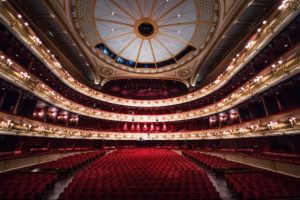
The Royal Ballet & Opera is reporting a need to invest in its stage infrastructure if it wants to remain open.
According to a report obtained by the Times of London, the building will need about £60 million over the next three years just to “keep the building open and functioning” and as much as £200m over the next decade. The report suggests that it will cost at least £20 million a year because of its “obsolete infrastructure.”
The report also noted that a failure to invest the money could put it at risk of equipment failures and performance cancellations.
The Royal Opera and Ballet said, “The consultation has now concluded, with the exception of visitor experience, where discussions remain ongoing. We are therefore progressing with changes to focus our resources where they will have the greatest impact, strengthening artistic excellence, broadening our audiences and investing in our sites. While we’re currently in a good position, we’re operating in a challenging environment, we must be more efficient now to remain financially sustainable in the long term.”
The report also noted other issues the company has faced over the last years including repaying loans like the £1.6 million a year Covid-era loan repayment and losing artists due to Brexit visa rules. It also noted that the company had faced backlash due to a planned 2026 co-production of “Tosca” with the Israeli National Opera, which was cancelled after 182 staff members signed an open letter demanding an end to the collaboration due to the war in Gaza.
In June 2026, the stage reported that the Royal Ballet and Opera would cut 64 jobs in order to address long-term financial sustainability. The reductions would amount to roughly five percent of the organization’s current workforce of 1,169 staff. Nine of the cuts would involve compulsory redundancies, with the remainder expected to come from unfilled vacancies, voluntary departures, and natural turnover.
The RBO’s cuts reflect a broader pattern of financial strain across British opera. The Welsh National Opera and Glyndebourne also saw reductions in Arts Council England funding in recent years, while the English National Opera faced a prolonged funding crisis that forced cuts to its orchestra and chorus, prompted the resignation of Music Director Martyn Brabbins, and ultimately led the company to forge a new partnership with Greater Manchester.
Read Related Stories
Categories
News