From Opera Greats to New Works, Here’s a Dia de Los Muertos Playlist of Classical Compositions for Grievers & Rememberers
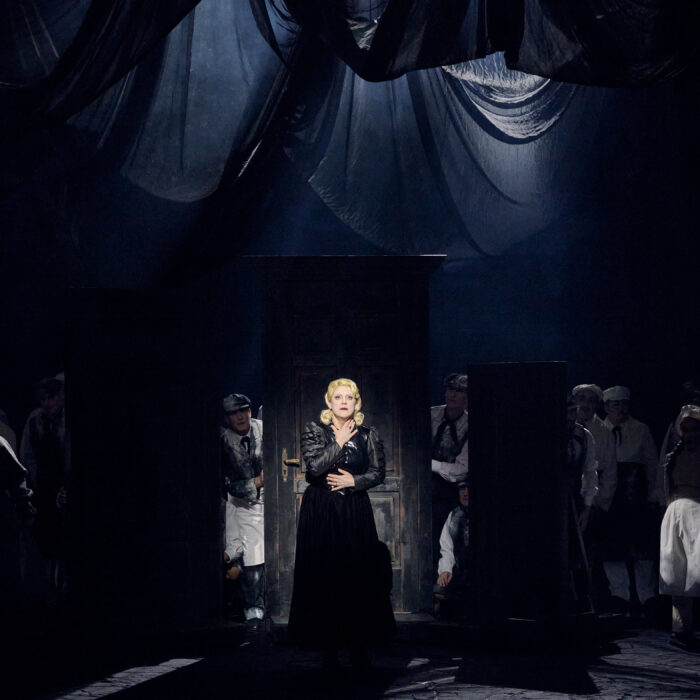
By Xochitl Hernández(Photo: Marty Sohl / Met Opera)
What do you do when grief is heavy, when your heart is breaking, and when remembering memories is the only joy that keeps you connected to lost loved ones?
One way, particularly those of Latin American descent, to process death is through Dia de los Muertos. Celebrated across Mexico, the United States, and other parts of Latina America, the holiday goes from October 31st to November 2nd, drawing inspiration from both indigenous and Spanish traditions honoring passed away loved ones. Even All Souls Day, mostly popular in Europe and amongst Roman Catholicism, blends both observance and remembrance of the souls who have departed Earth.
Using music as a means to process through grief, loss, and heartbreak can be one of the most cathartic experiences. When lonely in feelings of grief, music can be a great friend in the libretto and melodies that communicate the pain and love one feels but cannot communicate.
According to neuroscientist Daniel Levitin, when listening to music, especially during periods of grief, the brain releases prolactin, a comforting hormone synonymous between a mother and baby during nursing. The brain also produces opiates that are analgesic, helping relieve pain and boost mood. Through these processes, music becomes a great catalyst for release, as pain, love, joy, memories, and tears come to the surface and grief can move through the body.
As you remember loved ones who have since passed, dreams deferred, or memories that both break your heart and fill it simultaneously, here is a list of classical compositions to listen to.
“Xochipilli” by Carlos Chávez: Subtitled “An Imagined Aztec” Xochipilli translates to “little flower” in Nahuatl. The composition includes four wind instruments and six percussionists. Originally titled Xochipilli-Macuilxochitl, after a deity in Aztec mythology, the piece by the Mexican composer draws inspiration from indigenous sounds synonymous with that of sacred Aztec rituals to honor family and loved ones.
“Altar de Muertos” by Gabriela Ortiz: The four part string quartet is divided into parts that Ortiz states each describe “diverse moods, traditions and spiritual worlds that shape the broader Mexican concept of death, as well as my own personal vision of it,” including dualities of joy, despair, darkness, goodness, and cyclic rhythms of life and music.
“Noche de encantamiento” by Silvestre Revueltas from “La noche de los Mayas:” The score set to the movie adaption “La Noche de los Mayas” is known as a Mayan tragedy taking place in the Yucatán jungles
“La Muerte Sonriente” by Diana Syrse: A choral piece accompanied by indigenous instruments, captures “nostalgic happiness” that comes with remembrance and honoring loved ones, Syrse would say. Syrse even encourages the choir to sing and dance in performance, encouraging joy and grief to be felt simultaneously.
“Requiem for a Magical America: El Día de los Muertos” (2006) by Gabriela Lena Frank: A folk requiem in ten movements for large wind ensemble, the requiem celebrates the deceased through different scenes in a village. As Lena Frank states in her composer notes, “Coinciding with All Souls’ Day, this festival is an example of “folk Catholicism,” a blending of post-Conquest and pre-Conquest religious beliefs.”
“Morgen!” by Richard Strauss from Op. 27, No. 4: With poetry written by Strauss’s contemporary, John Henry Mackay, the four lieder songs in Op. 27 No. 4 were composed as a wedding gift to Strauss’s wife Pauline Strauss-de Ahna. I personally find the poetry and instrumentation of “Morgen” to be synonymous with loving again or at least continuing to love even after pain, hardship, or the night closing the day to end, but no matter because, “tomorrow the sun will shine again.”
“Dia de los Muertos” by Richard Meyer: For string orchestra, Meyer is a sought after clinician and music educator who composed this piece also for young musicians to learn from.
“Non ti scordar di me” by Ernesto De Curtis: “Don’t forget me,” as translated from Italian to English is a popular Italian art song. The words throughout the piece such as “my life is tied to you,” or “there’s always a nest in my heart for you,” are synonymous with remembrance.
“Donde lieta usci” from “La bohème” by G. Puccini: A heartbroken Mimì sings the famous aria in Act three of “La bohème.” To say goodbye “senza rancor” though devastated with loss, is a theme throughout the opera for the soprano character and one therapeutic for heartbroken individuals learning that loving is also saying goodbye.
Intermezzo from “Cavalleria Rusticana” by P. Mascagni: Following numerous tense and heartbreaking scenes of betrayal, including that of Turiddu’s violent abandonment of Santuzza, and Santuzza revealing to Alfio of Lola and Turiddu’s affair, the tender intermezzo is both ironic and fitting. Played usually with an empty stage and no singers, the audience is left to digest and process the beauty, agony, and grief that is the story before them and even in their own lives.
“Che faranno i vecchi miei” chorus from “La Fanciulla del West” by G. Puccini: A homesick anthem, this scene captures the miners emotionally reflecting on their far off home and loved ones.
“Pie Jesu” from Duruflé’s “Requiem” and “Pie Jesu” from Fauré’s “Requiem:” A sacred hymn typical for funerals and memorials, the words “Merciful Jesus” plead for souls to have eternal rest.
“E lucevan le stelle” from “Tosca” by G. Puccini: In this aria, Cavaradossi, just an hour before his execution, is overcome with remembering a sweet, passionate memory with his beloved Tosca. Even in death and overcome with guilt and grief, Cavaradossi laments “L’ora è fuggita e muoio disperato! E non ho amato mai tanto la vita!” describing how much he loves life just before he’s about to lose it.
“Por ti mi Corazón” by Manuel Ponce: The second movement from “Tres Canciones Populares,” the tender song blends both devotion and pain from lost love.
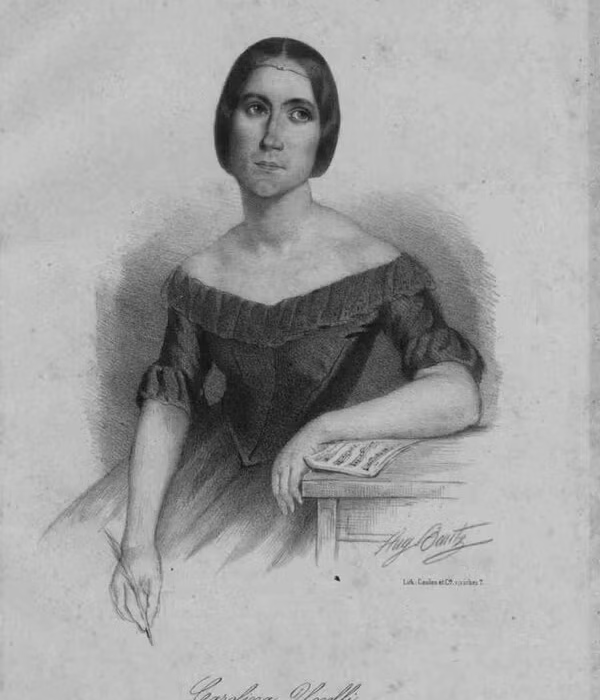
“Cuando Vuelva a Tu Lado” by María Grever: Or “when I return to your side” the yearning ballad was even the inspiration for the popular english adaption “What a Diff’rence a Day Makes.”
Categories
Special Features