The Necessity of Remembering in Daniel Sonenberg’s ‘The Summer King’
By John VandevertPhoto Credit: David Bachman/Pittsburgh Opera
In these uncertain times, where rights are being systematically upended, questioned, destablized, and generally violated, art provides opportunities to reflect on the stories, legacies, and tribulations of those who came before.
During these summer months, we will look at three operas that epitomize this very dynamic, namely the ways opera creates space to think about intersectional discussions and overlooked topics concerning intersectional themes. From the beginning of opera until now, aspects like race, class, gender, age, body type, religion, and beliefs have educated how the artform operates, who gets to contribute, and what is talked about. While many historical firsts like the first Arabic-language opera in Northwest Africa and the first proported opera written by a woman are notable, I instead wish to spotlight three living polemics: race, feminism, and indigenous rights.
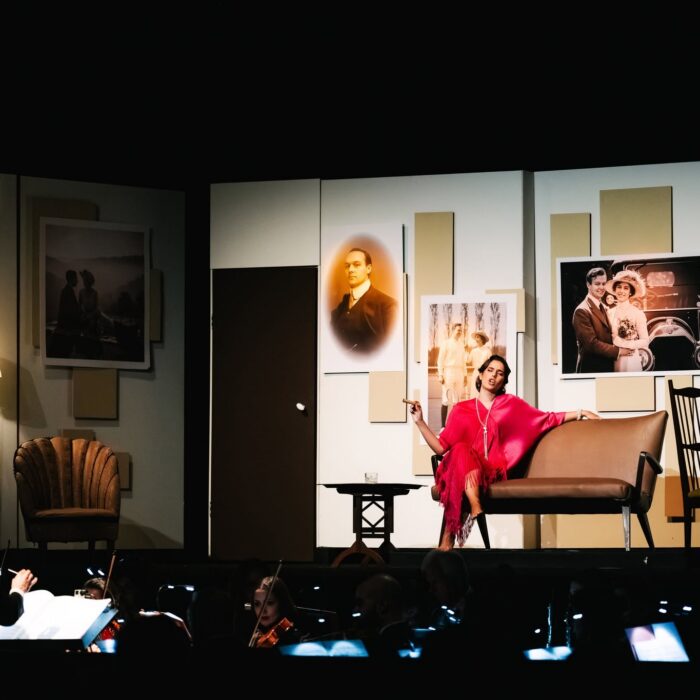
This month, we will examine American composer and professor Daniel Sonenberg‘s 2017 opera, ‘The Summer King.’ Centered around African-American baseball player, Josh Gibson, contemporary with Jackie Robinson, the opera tells parts of his story. Accounts argue that his skills exceeded Robinson’s but because of his early death, his career never took him to Major League status, and while exceptional, his story is often overshadowed by Robinson. Who was Gibson, why should we know his name, and what about his story is important to know?
-
- PC: David Bachman Photography.
Born in 1911, Gibson was born to a working-class Black family and moved from the South to the North due to racial persecution in the second wave of post-Emancipation Proclamation migration of African-Americans.
Things did not necessarily improve but his parents found jobs and at age 16, he found his love of baseball. Flash to 1930, and Gibson’s reputation was rapidly being secured as a leading player within the Negro League, a particulary nefarious part of the Baseball color line. Unfortunately, his life would continue for only 13 more years but in that time, he secured himself an immortal place in US baseball’s hall of fame.
Sonenberg’s opera uses three moments in Gibson’s life as the plot. The first concerns his career, and the ways Gibson chose to focus on the game rather than on race. However, getting to opt out of racial discourse was not a simple affair nor accurate. Race was everywhere in baseball, even controlling where African-Americans got to sit in the stadium. The second part details his rival talents of those like Babe Ruth, and the third deals with his personal life, namely the death of his wife, and eventual destructive habits and early death from a brain tumor.
People like Gibson provide a glimpse into the complex dynamics of race in the American early-20th century, with its omnipresence within the lives of minorities (and everyone else deviating from the heterosexual, racial, ideological, political, and gender norm and belonging to the middle class or above). Having premiered in 2017 and performed again in 2018, it hasn’t been revived since, although many similarly-themed operas have arose.
Regardless, operas like these are opportune for us to think about the intersections of race and professional pursuits, the barriers (or non-barriers) race poses, and who gets to opt out of the very question of race entirely. While his parents faced persecution, for Gibson, it’s unclear what his talents afforded him and protected him from.
Watch
Categories
Special Features