Opera Meets Film: The Pursuit Of The Dream in Miriam Gordon-Stewart’s ‘YAPS’
By John VandevertThe world of classical singing is fraught with challenges, especially for those wishing to make a career from singing alone. From an oversaturated marketplace of voices and biases of all shapes and sizes, to economic stressors and the constant fight for golden opportunities, what keeps someone going? The chronic instability within the classical music industry makes searching for opportunities both invigorating and terrifying.
For the classical singer, if one succeeds in creating a career, it does not mean that you are now exempt from challenges, nor free from ill-treatment. How does one navigate a world of competition when the task of making a career out of sharing your art demands so much? In the 21st century, young artists are required to do certain things that were never there before. To have or not have a social media account — that is the question. Do you market yourself through these platforms, despite the low financial gain, for the high publicity reward? Is the effort actually worth it? Research has shown that opera singer hopefuls may not have a choice. To survive, the opera singer needs to market themselves — especially pertinent for those with no representation or managerial support.
Much of the discussion regarding opera’s relevance harkens back to the question of its place within the world of the 21st century, with fashionable topics like anti-elitism being the criterion for its survival. And while cheaper tickets and inclusive performance practice matter to a degree, the problem begins not at the opera house but on the path to the opera house. The journey to getting an audition is one mired with challenges, never mind conceptualizing one’s career once you have had your debut.
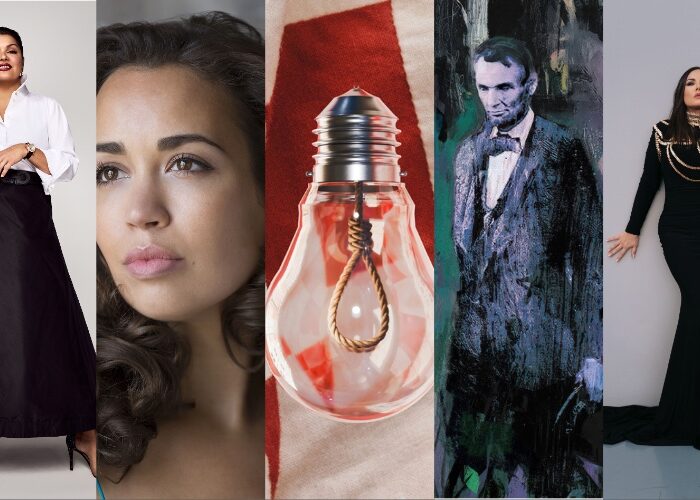
In the new documentary “YAPs” (the industry shorthand for Young Artist Programs) this theme is explored through the first-hand experiences of five young artists who are navigating the American opera industry. Directed by the widely celebrated dramatic soprano and founder of Victoria Hall Opera (VHO), Miriam Gordon-Stewart, the film follows these singers, documenting their struggles, and showing what is required for a career in opera. Featuring interviews from representatives of the American opera industry, along with singers, teachers, and musicians, the film shows the truth of what pursuing opera means and what it takes. Gordon-Stewart discussed the film’s relevance for the world of opera with OperaWire.
OperaWire: Although this film is topical, why is it necessary? What is it attempting to achieve?
Miriam Gordon-Stewart: There are so few documentaries about opera, and those that exist are quite often made by opera companies themselves. In our documentaries — the first being “UNSUNG,” released during the pandemic — we have opened the door for singers to express their own experience. “YAPs” was a chance to start a conversation that included those at the center of the future of opera: the incoming generation of singers. Gen Z are so often spoken about, or spoken to, but so seldom listened to. As a director, I don’t believe in creating new work that has a goal. Instead, I explore ideas that I feel passionate about, and leave the rest up to the audience. If new thoughts emerge for the viewer, or if new conversations begin as a result, that’s great.
OW: Your career has seen a transition from the stage to directorship, lecturer, and teacher. Was this a natural development for you or a deliberate career change?
MGS: I see my journey as a bit less linear. I never decided to give up singing to pursue directing, for example. I still think of myself as a singer first, with the other hyphens coming afterward. I bring my perspective as a singer to everything I do, including the rigor of classical technique, the spirit of an artist, the deep knowledge of opera that comes from a wide-ranging experience of performing. This perspective is often missing from pedagogy, but I believe it to be incredibly valuable. Being a singer has enabled me to pursue everything else through a lens of direct audience engagement and embodied expertise. I encourage every singer to see their training as applicable to pretty much anything else they want to pursue!
-
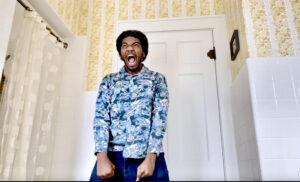
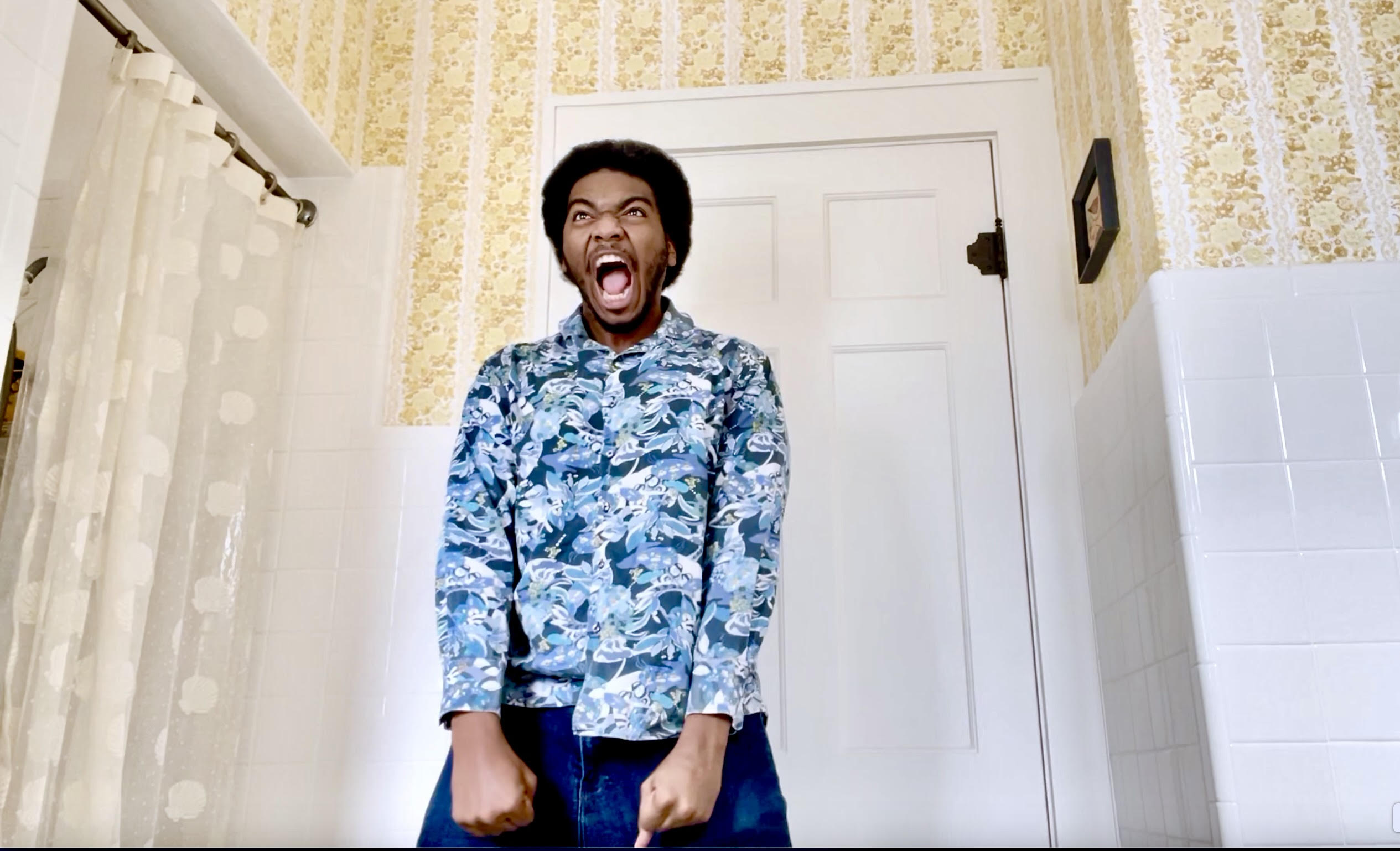
- Matteo Adams (Tenor)
OW: How do you think young operatic singers conceptualize the relation between art and competition?
MGS: In making “YAPs,” I interacted with hundreds of young singers. Most expressed frustration at a lack of transparency in pursuing a career: “How do I know how I am measuring up to others if I don’t get any feedback?” or “Why don’t I hear a simple yes-or-no from application portals?” Often the frustrations are about mundane administrative stuff. But there is also a kind of mind-spinning that happens when the message to “Be yourself! Be an original!” results in a rejection, or expressions of disapproval from panelists. I believe that YAPs are receiving a lot of mixed messages and the rules-based instructions on the perfect aria package, the perfect audition dress, the perfect attitude, takes over from the pursuit of true artistry and advancement of technique. Young singers are not encouraged to value their uniqueness. Instead, they are pitted against each other in a competition for who is best at meeting traditional expectations.
OW: Do you still believe the idea of the traditional opera career is attainable? Is it even necessary now?
MGS: In the film, several experts weigh in on the likely number of singers who are able to sustain themselves in the United States purely from singing. Their estimates sit at around 100-200 people. For that tiny minority the traditional career is still possible, but I think we should be more transparent about the ways in which those few are selected, and the fact that it often happens very early due to the influence of a handful of gatekeepers.
Success, however, is whatever fulfills you. I had a traditionally successful career as a performer, but true success for me came in building new opera audiences outside of big cities, creating frameworks for other artists to be supported, creating a successful new opera, mentoring young artists to value their intuition, and having a home where I am a valued part of the community. My focus is on helping other singers find their own definition of success, working out how to make it happen. It might involve a solo career, but commonly it will involve a diverse range of ways to explore your artistry.
OW: Are there too many young singers and too few jobs? What could help them in an oversaturated marketplace?
MGS: One thing that has changed in the past 20 years is the hyper-extension of opera training through to around the age of 30, encompassing a period that used to be full of paid performing roles alongside older, more experienced performers. The filling up of opera season programming with participants in Young Artist Programs (including roles that are best suited to older performers) means three things:
- Audiences are not getting to see the most accomplished artists as often.
- Young artists are not having the opportunity to learn alongside older, more established colleagues.
- There are fewer well-paid jobs for artists of all levels.
In addition, we’re seeing the phenomenon of the five-year career. There is a drop-off point after which singers age out of YAPs, with vastly reduced opportunities to perform as a more-experienced artist. There should be less focus on how singers can rise to the top of this flawed system, and more focus on fixing the system. I would like to see much more diversification of company structures to include smaller projects and make room for experimentation; more Victory Hall Opera-size organisations provided with the means to produce in small towns and cities with smaller administrations; more singer leadership in general; and a greater focus on the actual value proposition of opera. At VHO, we stated this value proposition as “the power of the live operatic voice, acoustically produced from the singer’s body, drawing the listener into closer contact with life and the continuum of human history.”
Watch