Q & A: Teddy Balfour-Austin on the General Voices Program at the Denyce Graves Foundation
By Francisco SalazarThe Denyce Graves Foundation began as a way to bridge the past to future by honoring overlooked musical voices and empowering the next generation of world-class artists.
Founded by opera star Denyce Graves, the foundation celebrates trailblazing musicians, music educators, and composers of color through community engagement programs, concerts and presentations, creation of new works of art, establishment of young artist development training and more, as well as via social and traditional media.
In a series of interviews OperaWire spoke with current and alumni singers who have gone through the program.
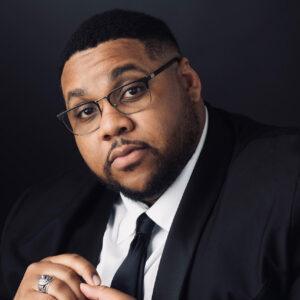
Teddy Balfour-Austin is an emerging tenor who has participated in the Bel Canto Boot Camp with Rachelle Jonck and made his house debut with the Metropolitan Opera as a member of the Chorus in Gershwin’s “Porgy and Bess.” He is part of The Denyce Graves Foundation’s new Generational Voices Program and recently performed with the Chautauqua Symphony.
OperaWire: How did you hear about the program and why did you think it was a good fit for you?
Teddy Balfour-Austin: I had the opportunity to sing for Mrs. Graves in the early fall of last year, and through that experience I became familiar with the work of the Denyce Graves Foundation. I also had the incredible opportunity to sing at the Met in their production of “Porgy and Bess,” which was Mrs. Graves’ final production before retiring from the stage. During the rehearsal period, she talked to me about the Foundation and the Generational Voices program and encouraged me to audition. That conversation really stayed with me, and I’m very grateful that she encouraged me to take that step.
What really drew me to the Foundation was its commitment to supporting emerging artists while also honoring and bringing attention to the artists who came before us many of whom we may not know about or have had the opportunity to learn from.
The program felt like a really natural fit for me because I was at a point in my life where I had finished both my undergraduate and graduate education and was asking myself, “Okay, what do I do now?” I knew that I wanted to build a career in opera, but I was also trying to figure out how to take that next step and truly jump-start my career.
Generational Voices came at a very important time for me. It felt like an opportunity not only to grow as an artist, but to learn about the many other aspects of having a sustainable career that aren’t necessarily taught in school.
OW: What have you learned from working with Denyce Graves?
TBA: One of the biggest things I’ve learned from Mrs. Graves is that everything matters. You only have one first impression, and when you’re given an opportunity, you have to make the most of it.
I’ve also learned that being successful in this career requires much more than simply being able to sing and act. Those things are essential, but there are so many other pieces that come with building a sustainable career—financial literacy, physical and mental well-being, business and professional skills, and understanding how to present yourself and navigate the industry.
What I appreciate about this program is that it helps bring all of those pieces together. Some of these are things you may not necessarily learn in your formal education, but they are incredibly important once you step into the professional world.
OW: As a young artist, what is the most daunting thing and why do you think a foundation like this is important?
TBA: I think one of the most daunting things as a young artist is learning how to put yourself out there in a way that creates opportunities. Auditions, competitions, networking, and those first impressions all become part of building your career, and you’re constantly trying to figure out how to present yourself in the best and most authentic way.
There’s also the financial reality of pursuing this career. Opera can be an incredibly expensive profession. You’re often investing in lessons, coaches, travel, auditions, application fees, professional materials, and so many other things before you ever see a return on that investment. At the same time, you’re trying to build a life and be financially independent.
And then there is the mental fortitude it takes to keep going. You can prepare, show up, and give your best, and still hear “no.” Learning how to persevere through that and not allow rejection to define your sense of worth is probably one of the hardest parts of this career.
OW: Tell me about the Generational Voices program and everything it encompasses.
TBA: I see Generational Voices as an opportunity to really invest in yourself and reinvent yourself in the best possible way. It’s giving us the space to focus on becoming the best versions of ourselves as artists and as people.
One of the things that makes the program especially valuable is the opportunity to learn from people who are actively working in the industry, as well as from artists who have already established and completed their careers. There’s so much wisdom in both perspectives.
For me, the program is providing a wealth of knowledge, mentorship, and experiences that can help us navigate the beginning stages of an opera career with a much clearer understanding of what the profession actually requires.
OW: What does it mean to be supported through a program like this and why do you think it is important for foundations like the Denyce Graves Foundation to exist?
TBA: Being supported through a program like this means more to me than I can really put into words. I genuinely feel that the people within this Foundation believe in my potential and want to invest in me.
I’ve gone through multiple auditions where I’ve prepared, shown up, and unfortunately heard “no.” Sometimes, all you want is the opportunity to show what you can do and to have someone give you a chance. So to have an organization look at me and say, “We believe in you, and we’re willing to invest in you,” means a tremendous amount.
I think it’s incredibly important for foundations like the Denyce Graves Foundation to exist because every singer has a different path and different obstacles. Sometimes those obstacles have nothing to do with talent—they’re simply circumstances that can be difficult to overcome without support.
I’ve been in places where I’ve questioned whether I could really do this or whether I should keep going. The Foundation came into my life at a very important time and reminded me why I love to sing, why I love opera, and that I have a voice that deserves to be heard. That kind of support can change the trajectory of an artist’s life.
OW: What is an important memory that you will never forget from being part of this program?
TBA: Because the program is still just beginning, I’m excited to see what memories will come from it over time. But one thing I already know I’ll never forget is how welcomed I’ve felt since becoming part of Generational Voices.
From the launch of the program onward, I’ve never been made to feel like I don’t belong. Everyone I’ve met has poured so much encouragement into me. I’ve had people tell me that I belong here, that they believe in me, and that they believe in my gift. As an artist, hearing that at this stage of my career is incredibly meaningful.
I’ve also had the opportunity, during this season of my life, to perform my first orchestral concert as a soloist. To have someone trust me with that kind of opportunity felt almost like a dream.
I think what I’ll remember most isn’t just the performance itself, but what it represented: someone giving me an opportunity and saying, in essence, “We believe you’re ready.” That’s something I’ll carry with me for a very long time.