Q & A: Tenor Elliott Brown on Being a Young Artist & Being Part of the Denyce Graves Foundation
By Francisco SalazarThe Denyce Graves Foundation began as a way to bridge the past to the future by honoring overlooked musical voices and empowering the next generation of world-class artists.
Founded by opera star Denyce Graves, the foundation celebrates trailblazing musicians, music educators, and composers of color through community engagement programs, concerts and presentations, creation of new works of art, establishment of young artist development training and more, as well as via social and traditional media.
In a series of interviews, OperaWire spoke to current and alumni singers who have gone through the program.
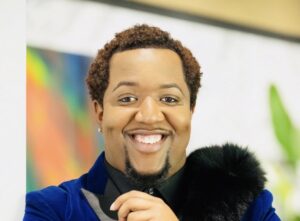
American tenor Elliott L. Brown is an alumnus of Benedict College in Columbia, South Carolina and Allen University. Throughout his young career, he has performed with the Hartford Symphony Orchestra, Charlotte Symphony Orchestra, and Connecticut Opera.
Brown has also been featured on The Word Network, named a 2019 Marian Anderson Voice Competition finalist, and received the 2020 Opera Training Studio Audition Award. In 2025, he was featured on CBS Evening News and performed at the Metropolitan Opera’s Behind the Curtain event.
OperaWire: How did you hear about the Shared Voices Program and why did you think it was a good fit for you?
Elliott Brown: I learned about the Denyce Graves Foundation and the Shared Voices Program through my involvement in the classical vocal community. As I learned more about the program, I immediately recognized that it was more than a young artist program. It was an organization committed to creating access, mentorship, professional development, and community for artists of color. As an HBCU graduate and emerging opera singer, the mission resonated deeply with my own journey and the kind of artist I aspire to become.
OW: What have you learned from working with Denyce Graves?
EB: Mama Denyce has taught me that being an artist is about much more than having a beautiful voice. She has shown me what excellence looks like while remaining generous, accessible, and invested in those coming behind her. She has taught me to understand my value, to prepare thoroughly, to build meaningful relationships, and to recognize that how I carry myself matters just as much as how I sing. Most importantly, she has reinforced the responsibility that comes with success: reaching back and helping create opportunities for the next generation.
OW: As a young artist, what is the most daunting thing, and why is a foundation like this important?
EB: One of the most daunting realities of opera is that talent alone does not guarantee access. You can have the voice, training, discipline, and desire, but this industry also depends on relationships, visibility, exposure, and opportunity. Shared Voices helps bridge that gap. For artists of color, particularly those coming through HBCUs, the Foundation creates meaningful access to people, institutions, and experiences that can otherwise take years to develop. It does not simply focus on representation. It invests in developing the whole artist and preparing us to build sustainable careers.
OW: Tell me about your time with the program and everything it encompasses. What kind of follow-up have they done and what contacts have you gained?
EB: My experience with Shared Voices has been immersive and comprehensive. Through master classes, performances, professional development, coaching, wellness programming, industry conversations, networking, and exposure to leading professionals, I have been able to grow both artistically and professionally. What has been especially meaningful is that the relationship does not end when a program concludes. The Foundation continues to engage its artists through invitations, communication, performance opportunities, and continued connection with the Shared Voices community. I have developed relationships with singers, conductors, coaches, educators, administrators, and other industry professionals. Most importantly, I have not simply gained contacts. I have gained relationships.
OW: What does it mean to be supported through a program like this?
EB: It means knowing that you are not navigating this industry alone. There is tremendous power in having someone say, “I see you. I believe in you. Let me help you get where you are trying to go.” For an emerging artist, that affirmation can be transformational. The Foundation has supported me not only as a singer, but as a whole person and artist. That support also carries a responsibility: to honor the investment through excellence, character, preparation, and ultimately by investing in someone else.
OW: What is an important memory from being part of this program that you will never forget?
EB: One of the memories I will never forget is experiencing the Metropolitan Opera through the Foundation’s Behind the Curtain event. Standing inside one of the world’s most significant opera institutions and realizing that I was not simply observing from the outside, but participating in that space, was incredibly powerful. Even more meaningful has been the relationship I have developed with Denyce. I call her Mama Denyce because she has embraced me not simply as an artist in a program, but as a musical son. She has made me feel seen, encouraged, challenged, and supported. I will carry that relationship and the lessons I have learned from it throughout my career.